201 E Ave J, Robstown, TX 78380


Why Do Dental Braces Require Regular Tightening?
October 28, 2025
Braces & Orthodontics

Getting dental braces is an exciting step toward a healthier, straighter smile, but the process doesn’t happen overnight. Instead, your teeth gradually shift into their proper positions through gentle, carefully controlled pressure. That’s why regular tightening appointments are such an important part of treatment. While these visits may seem routine, they play a major role in helping your smile progress as planned.
At Robstown Dentistry & Orthodontics, Dr. Dina Alnimri works closely with patients to ensure every stage of treatment is carefully monitored. Each adjustment is designed to keep your teeth moving safely and steadily while making sure your braces continue working as effectively as possible. Understanding why these appointments matter can help you stay committed to your treatment and achieve the best possible results.
What Does “Tightening” Your Braces Mean?
Many people imagine that braces are simply tightened during every visit, but the process involves much more than making them feel snug.
Braces use brackets, wires, and sometimes elastic bands to apply gentle pressure to your teeth. Over time, your teeth respond to that pressure by slowly moving into better alignment. As they shift, the force from the braces naturally decreases. During a follow-up appointment, your orthodontist adjusts or replaces the archwire, changes elastics if needed, and checks your overall progress to ensure everything is moving according to your treatment plan.
These regular adjustments help maintain the right amount of pressure without causing unnecessary stress to your teeth or gums.
Why Do Braces Need Regular Tightening?
Teeth Stop Responding to the Same Pressure
Your teeth don’t continue moving under the same amount of force forever. Once they have shifted as much as they can under the current wire, new adjustments are needed to continue the process. Tightening your braces restores the gentle pressure necessary for the next stage of movement.
Every Smile Moves at a Different Pace
No two smiles respond to treatment exactly the same way. Some teeth move quickly, while others require more time. Regular appointments allow your orthodontist to evaluate your progress and make changes based on how your teeth are responding.
Treatment Stays on Schedule
Skipping or delaying adjustments can interrupt your progress. Without regular tightening, your teeth may stop moving altogether, which can extend your total treatment time.
Your Bite Continues to Improve
Braces aren’t only designed to straighten visible teeth. They also help correct bite problems that affect how your upper and lower teeth fit together. Routine adjustments ensure your bite develops properly throughout treatment.
What Happens If You Skip Tightening Appointments?
Life gets busy, and it’s tempting to postpone an orthodontic visit. However, missing scheduled adjustments can create setbacks that are difficult to recover from.
Without routine appointments:
- Teeth may stop moving as planned.
- Treatment can take several months longer.
- Certain teeth may shift unevenly.
- Additional adjustments may be needed later.
- Minor problems with brackets or wires may go unnoticed.
Keeping your scheduled visits helps your orthodontist catch small concerns before they become larger issues.
What Can You Expect During a Tightening Appointment?
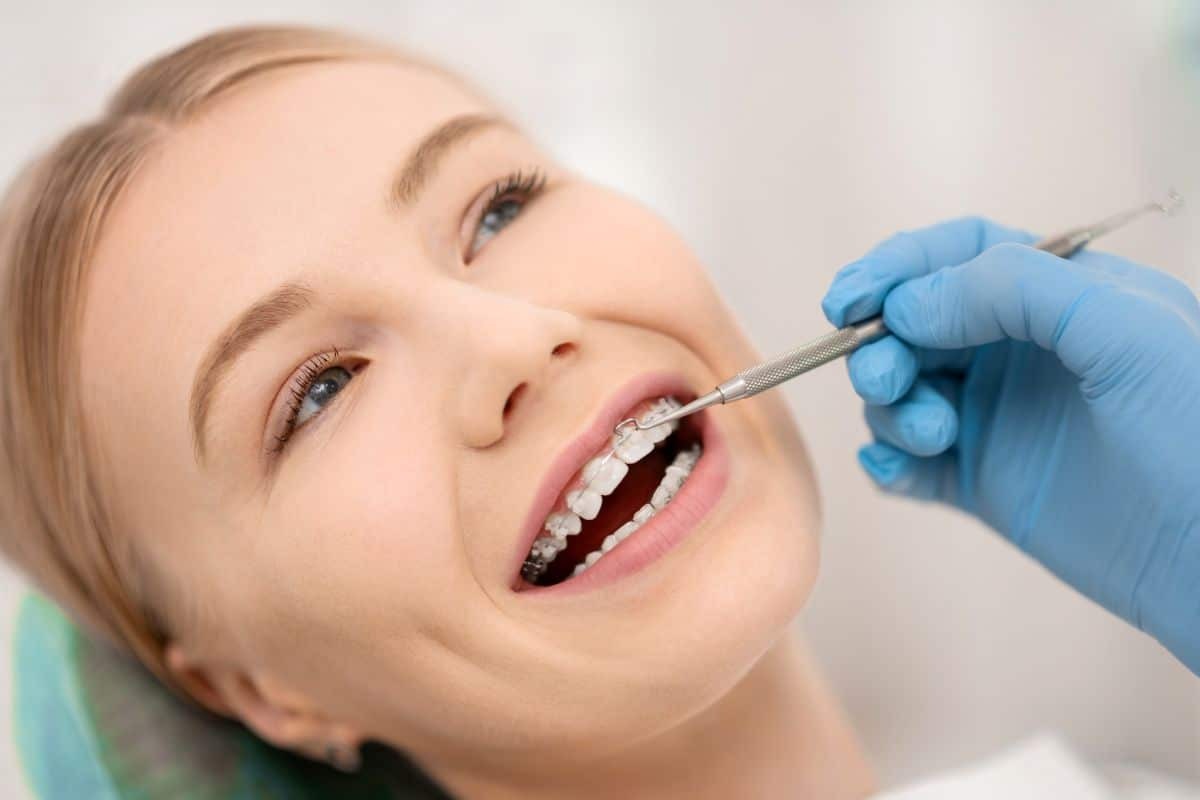
Most adjustment visits are quick and straightforward. Your orthodontist will examine your teeth, check your braces, and make any necessary changes to your wires or elastics.
You may notice mild soreness or pressure for a day or two afterward. This is completely normal and usually means your braces are working as intended.
To stay comfortable after an adjustment, try to:
- Choose soft foods for the first day or two.
- Drink plenty of water.
- Brush gently around your brackets.
- Follow your orthodontist’s instructions about rubber bands or other appliances.
At our dental office, we carefully monitor every adjustment to ensure your braces continue moving your teeth safely while keeping you as comfortable as possible throughout treatment.
Contact us if you have questions about your braces, experience a loose bracket, or need guidance between scheduled appointments. Addressing concerns early can help keep your treatment on track.
How to Care for Your Braces Between Adjustments?
The care you give your braces at home is just as important as your adjustment appointments.
A few healthy habits can make a significant difference:
- Brush after every meal using a soft-bristled toothbrush.
- Floss daily with orthodontic flossing tools if recommended.
- Avoid sticky candies, popcorn, ice, and hard foods that can damage brackets.
- Wear rubber bands exactly as instructed.
- Attend every scheduled orthodontic visit.
These simple steps help keep your braces working efficiently while protecting your teeth and gums throughout treatment.
Keep Your Smile Moving Forward With Regular Braces Adjustments
Regular adjustments are one of the most important parts of successful braces treatment. They allow your teeth to continue moving safely, help your bite improve, and keep your progress on schedule. Staying consistent with your appointments can make your overall orthodontic treatment smoother, more predictable, and more effective in achieving a healthy, confident smile.
If you’re looking for experienced orthodontic care in Robstown, TX, our team is here to guide you through every step of your braces journey. Visit our dental office to learn more about your treatment options and keep your smile moving in the right direction.