201 E Ave J, Robstown, TX 78380


Can You Get a Root Canal During Pregnancy? Safety and Considerations
December 9, 2024
Root Canal Treatment

Pregnancy is a time of heightened care, not just for your baby but also for your overall health. Many expectant mothers are cautious about medical treatments, and dental procedures are no exception. One common question is whether it’s safe to undergo a root canal during pregnancy. A root canal is often necessary for individuals suffering from severe tooth pain due to infections or decay. In this article, we will address the safety, benefits, and considerations when it comes to getting a root canal while pregnant.
What Is a Root Canal Treatment?
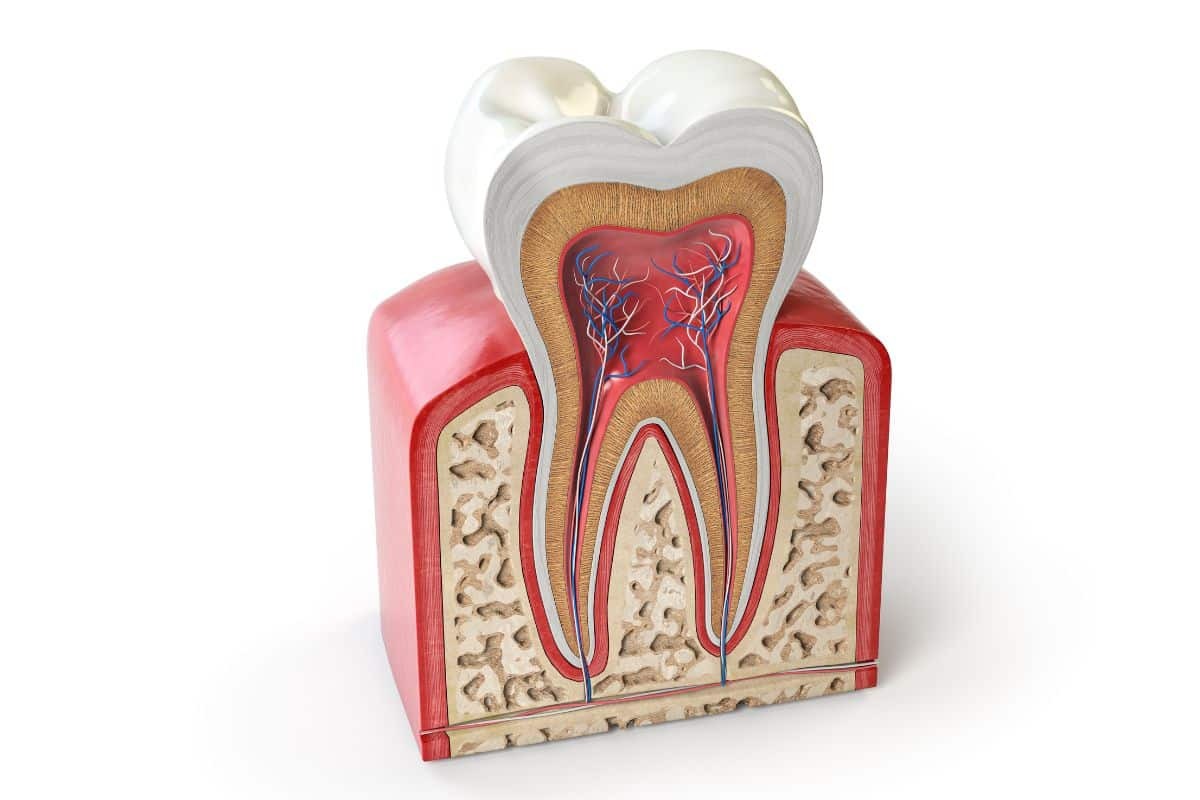
A root canal treatment is a procedure designed to save a tooth that has become infected or severely decayed. During this treatment, the dentist removes the infected pulp (the soft tissue inside the tooth), cleans and disinfects the area, and then seals it. The goal is to prevent further infection and eliminate pain, allowing you to keep your natural tooth. Root canal procedures can be life-saving for your dental health, but for pregnant patients, there are extra precautions to consider.
Is Root Canal Treatment Safe During Pregnancy?
The short answer is yes, root canal treatments are generally safe during pregnancy, especially in the second trimester. The second trimester is considered the safest period for dental procedures since the baby’s vital organs have already developed. However, every pregnancy is unique, and it’s important to discuss your specific situation with your dentist.
Dentists who are experienced with pregnant patients know how to tailor treatments to ensure the safety and comfort of both the mother and the baby. With proper precautions, a root canal treatment can be done without posing any risk to your pregnancy.
Key Considerations for Root Canal Treatment During Pregnancy
Before undergoing a root canal treatment while pregnant, several factors must be considered. These include the timing of the procedure, the type of anesthesia used, and whether any X-rays will be required.
- Timing of the Procedure: The second trimester is often considered the best time to have dental work done. Early pregnancy, or the first trimester, is when your baby’s organs are developing, so many dentists prefer to avoid non-essential treatments during this time. The third trimester may be uncomfortable for dental work, as physical changes can make it harder to sit for longer periods.
- Anesthesia: Local anesthesia is typically used during a root canal treatment to numb the affected area. This type of anesthesia is considered safe during pregnancy, as it doesn’t generally affect the baby. However, your dentist will ensure they use the safest option based on your stage of pregnancy. Always inform your dentist of your condition before the procedure.
- X-Rays: Dental X-rays may be necessary to evaluate the extent of an infection before beginning the treatment. While modern X-ray machines minimize radiation exposure, your dentist will take precautions such as using a lead apron to protect your abdomen from unnecessary radiation.
- Medications: In some cases, antibiotics or pain medications may be prescribed if an infection is present. Your dentist will ensure that only pregnancy-safe medications are used to treat the infection and manage pain.
Root Canal Treatment During Pregnancy
If you need a root canal treatment in Robstown while pregnant, it’s important to work with a dentist who is familiar with the special needs of expectant mothers. A skilled dentist will take extra care to choose the safest options for both you and your baby. In cases of severe tooth infection or pain, it’s often best to address the problem as soon as possible rather than waiting until after the pregnancy. Neglecting dental issues could lead to complications such as abscesses or more severe infections that could impact your health.
If you experience severe pain or symptoms of infection during your pregnancy, don’t hesitate to visit our office to discuss treatment options. We will ensure that your root canal treatment is performed with the highest standard of care to protect your well-being.
Alternatives and Non-Emergency Care
In some situations, if a root canal is not urgent, your dentist may recommend postponing the procedure until after your pregnancy, particularly if you’re in the early stages. However, your dentist will manage any immediate pain or infection with safe alternatives, such as antibiotics or temporary treatments, to ensure you’re comfortable.
Final Thoughts
While pregnancy may require additional considerations when it comes to medical treatments, root canal procedures can generally be performed safely when done by a skilled dentist. If you need a root canal, be sure to discuss your pregnancy with your dentist and choose a time that minimizes risk to you and your baby. If you are in Robstown and seeking treatment for root canal, we’re here to offer expert care in a safe and comfortable environment for both you and your baby.
If you’re experiencing pain or symptoms of a dental infection, visit our office to discuss the best treatment options for you during your pregnancy. We’re committed to ensuring the health of both you and your baby while addressing your dental needs.