201 E Ave J, Robstown, TX 78380


Can You Get an Implant if the Tooth Is Still Infected?
August 24, 2026
Dental Implants
If you’re dealing with a tooth that’s both failing and infected, it’s natural to want to move straight to a solution like an implant rather than dealing with multiple steps. Unfortunately, an active infection generally needs to be addressed before implant treatment can move forward. Understanding why helps make sense of the process and what to expect along the way.
Dr. Desai at Robstown Dentistry & Orthodontics walks patients through this regularly, since it’s one of the most common questions that comes up during a dental implant procedure consultation for a tooth that’s actively causing problems.
Why Infection and Implants Don’t Mix Well
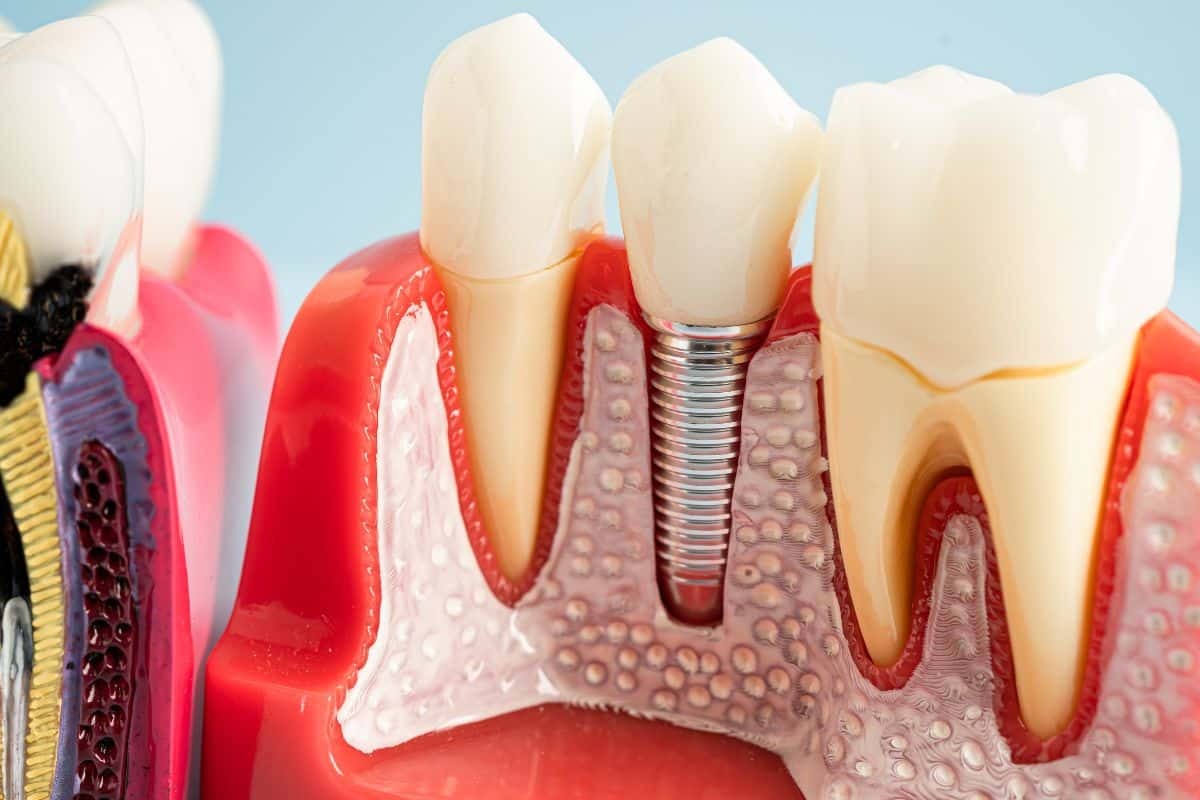
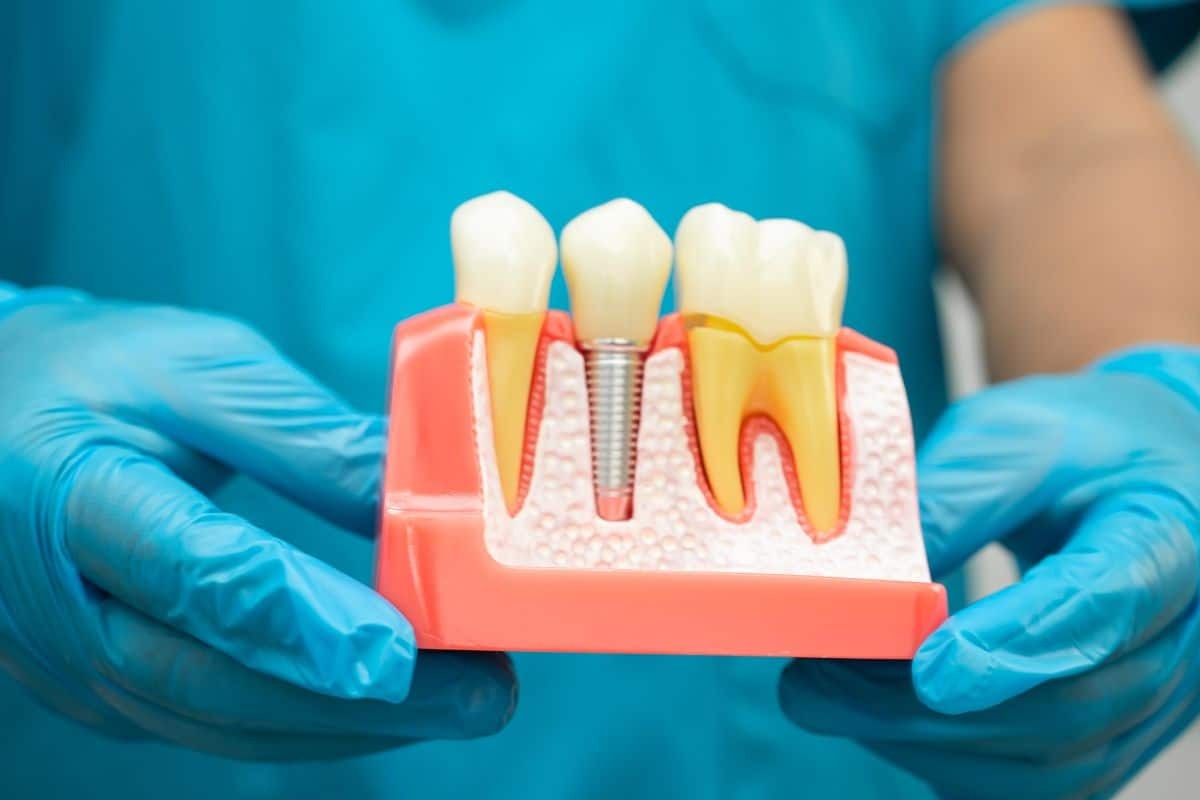
Dental implants rely on fusing directly with the surrounding jawbone through a process called osseointegration, which requires a clean, healthy, infection-free environment to succeed. Placing an implant in or near an area with active infection significantly increases the risk of the implant failing to integrate properly or the infection spreading further into the bone.
Bacteria from an untreated infection can interfere with healing at a cellular level, making it much harder for the bone to properly fuse with the implant even if it’s initially placed successfully.
What Typically Needs to Happen First
Extraction of the infected tooth: In most cases, the infected tooth needs to be removed entirely, along with thorough cleaning of the surrounding area to clear out infected tissue.
A course of antibiotics, if needed: Depending on the severity of the infection, antibiotics may be prescribed to help bring things under control before moving forward with any further treatment.
A healing period: After extraction, the site typically needs time to heal and for any remaining infection to fully clear before an implant can be safely placed. This timeline varies depending on the severity of the original infection and how the site responds to treatment.
Can an Implant Ever Be Placed Immediately?
In certain cases, particularly when infection is minimal or has been addressed effectively at the time of extraction, an implant can sometimes be placed the same day as the extraction, a practice known as immediate implant placement. This isn’t appropriate for every situation, though, especially when infection has been more significant or has affected a larger area of surrounding bone.
Determining whether immediate placement is appropriate requires a careful evaluation, since placing an implant too soon into a site that isn’t fully ready can compromise the long-term success of the implant.
What Happens If Infection Has Caused Bone Loss
Significant or long-standing infections can sometimes lead to bone loss in the area, which may affect implant candidacy once the infection itself has cleared. In these situations, a bone graft may be recommended to rebuild a stable foundation before implant placement can move forward, adding some additional time to the overall treatment timeline but supporting a much more predictable long-term result.
Why Patience Here Pays Off
It can be frustrating to learn that an implant isn’t an immediate next step when a tooth is causing pain or discomfort, but rushing this process significantly increases the risk of implant failure down the road. Taking the time to properly resolve an infection first leads to a far more reliable, longer-lasting result once the implant is eventually placed.
If you’re dealing with an infected tooth and are considering implant treatment, contact us to schedule an evaluation, and we’ll walk you through exactly what your specific situation requires and a realistic timeline for getting there.
What This Process Typically Looks Like Start to Finish
While every case is a bit different, a general path often looks like this: addressing the active infection first, whether through extraction, antibiotics, or both, followed by a healing period to confirm the infection has fully cleared, then an evaluation of bone health at the site, with grafting if needed, and finally, implant placement once everything is confirmed to be stable and ready.
Getting a Clear Plan for Your Specific Case
Every infected tooth situation is a little different, which is why a proper evaluation matters before assuming what the treatment path will look like. We’ll walk you through exactly where things stand and what steps make sense for your specific case.
Let’s Get You on the Right Path – Visit Our Dental Practice in Robstown, TX
If you’re dealing with an infected tooth and want to explore dental implants in Robstown as a long-term solution, we’re here to guide you through every step, starting with resolving the infection safely. Visit our dental practice and let’s get started on the right path forward.