201 E Ave J, Robstown, TX 78380

How to Prevent Cavities During Winter?
December 2, 2025
Dental Care

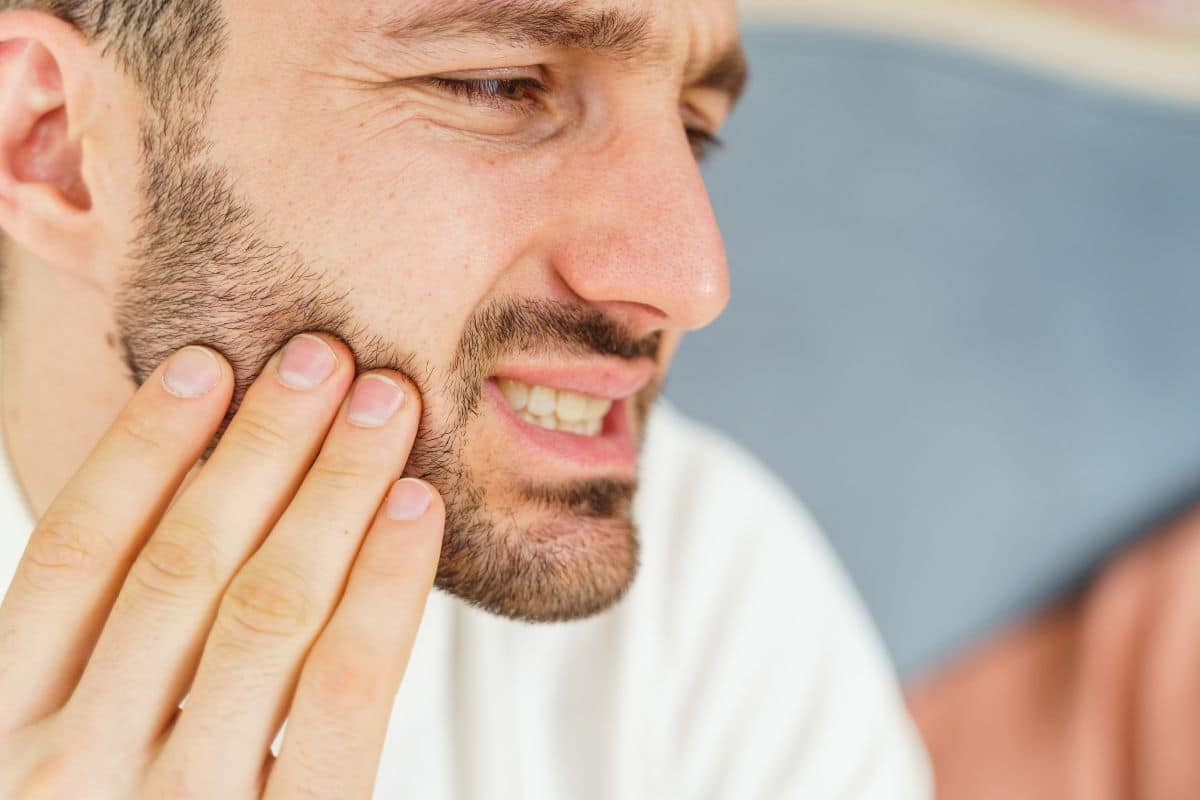
As the temperature drops and cozy sweaters come out, many people notice their teeth feel a little more sensitive than usual. Winter can be surprisingly brutal on your smile. Between cold air, holiday treats, and warm sugary drinks, the season creates the perfect conditions for cavities to sneak up on you. If you’ve ever wondered why your teeth feel different during this time of year—or how to protect them—this guide will walk you through everything you need to know.
Why Winter Increases Cavity Risk?
Winter brings a combination of habits and conditions that can weaken your enamel and increase your risk of cavities.
Cold air can make your teeth expand and contract, which can put stress on the enamel. Add in holiday sweets, hot chocolate, and comfort snacks, and the risk becomes even higher.
Indoor heating also dries out your mouth, and saliva is your natural defense against harmful bacteria. To top it all off, many people put off seeing a dentist for routine care when schedules get busy, allowing minor dental issues to worsen during the winter months.
Simple Ways to Prevent Cavities During the Cold Season
1. Stay Consistent With Your Oral Hygiene
Winter often makes people want to curl up under a blanket and skip their nightly routine, but this is precisely when cavities can form faster.
Brushing twice a day and flossing daily is essential. Regular cleanings also help remove plaque in places you can’t reach at home, which is why seeing a dentist regularly can help prevent winter cavities from developing unnoticed.
2. Drink Plenty of Water
Indoor heating systems can dry out your mouth without you realizing it.
Dry mouth means less saliva, and saliva helps neutralize acids and wash away food particles. Keeping a water bottle nearby is one of the simplest ways to maintain a healthy mouth all winter long.
3. Choose Smarter Winter Snacks
Holiday treats are everywhere—caramels, cookies, hard candies, and other sugary snacks linger on your teeth longer than you may think.
Instead of reaching for sticky or sugary foods, try snacking on nuts, cheese, or crunchy fruits. These options don’t cling to your teeth the way winter sweets often do.
4. Enjoy Warm Drinks Without the Extra Sugar
There’s nothing better than a warm drink on a cold morning. But adding sugar to your tea, coffee, or hot chocolate increases your cavity risk.
If you can, reduce the sugar or switch to natural sweeteners. Rinsing with water afterward also helps minimize the impact on your enamel.
5. Protect Your Teeth From Temperature Shock
Going from the cold outdoors to sipping a steaming drink can make your teeth contract and expand quickly. This can lead to sensitivity and enamel stress.
If you struggle with sensitivity, try drinking through a straw or letting your hot drinks cool slightly before sipping.
When Should You See a Dentist?
A mild winter sensitivity is normal, but specific symptoms indicate it’s time for a dental visit.
If you start noticing:
- Persistent tooth pain
- Sharp sensitivity that lasts
- Visible dark spots or holes
- Gum discomfort
…then getting checked sooner rather than later can prevent a minor issue from turning into a central cavity.
Regular checkups help keep your teeth healthy and strong throughout the cold season.
Get Cavity-Free Comfort This Winter – Visit Robstown Dentistry & Orthodontics
Taking care of your smile during winter doesn’t have to be complicated. A few simple habits can make a big difference in preventing cavities. If you’re experiencing sensitivity or want to stay ahead of winter dental issues, our team is here to help. Residents in and around Robstown, TX, can count on gentle, thorough care all season long. Visit Robstown Dentistry & Orthodontics to request an appointment today.