201 E Ave J, Robstown, TX 78380

Tiny Teeth, Big Smiles: Your Guide to Pediatric Dentistry
September 17, 2024
Uncategorized

As parents, one of the many things we want for our children is to see them happy and healthy. Good oral health plays a vital role in achieving that perfect smile, and pediatric dentistry is essential in ensuring that your child’s dental care gets off to a great start. From the time those tiny teeth start appearing, it becomes important to focus on preventive dental care to avoid issues down the road. In this guide, we’ll walk you through the basics of pediatric dentistry, why it’s important, and how to make dental visits a positive experience for your child.
What is Pediatric Dentistry?
Pediatric Dentistry: Tailored Care for Tiny Smiles
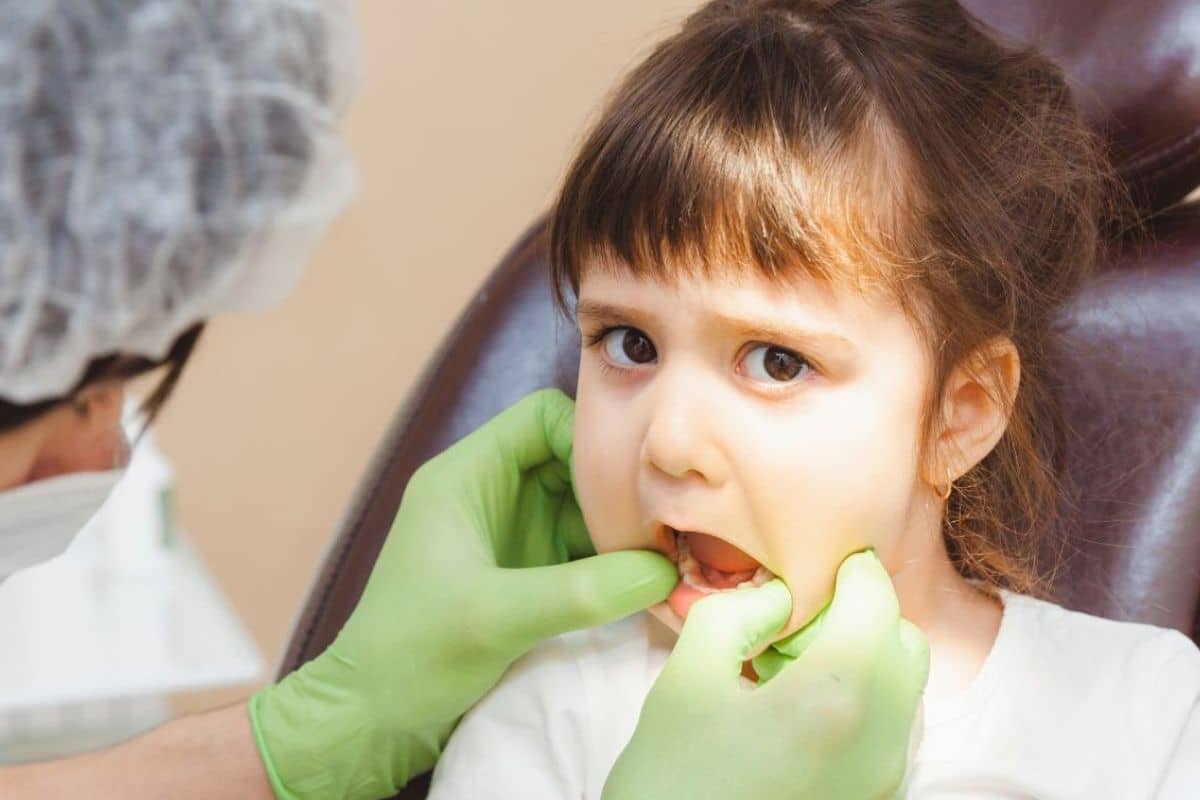
Pediatric dentistry is a specialized branch of dentistry focused on the oral health of infants, children, and adolescents, including those with special needs. Unlike general dentists who treat patients of all ages, pediatric dentists receive extra training to understand the unique needs of children’s developing teeth, gums, and jaws. This additional training equips them to handle the specific challenges that come with treating young patients, such as easing dental anxieties, managing behavior in the dental chair, and dealing with developmental issues that may affect oral health.
A pediatric dentist’s office is also designed with kids in mind, making the environment more welcoming and comfortable. From bright, colorful waiting rooms to child-friendly dental tools, every aspect is crafted to make the experience stress-free for both parents and children.
Why Pediatric Dentistry Matters
The Importance of Early Dental Care
Many parents may wonder, “When should I start taking my child to the dentist?” The answer may surprise you—according to the American Academy of Pediatric Dentistry (AAPD), children should have their first dental visit by their first birthday or when their first tooth appears, whichever comes first. Early dental visits are crucial in identifying any potential oral health issues and instilling good oral hygiene habits from a young age.
The primary teeth, or baby teeth, may be temporary, but they serve an important role in your child’s overall health and development. These tiny teeth help with chewing, and speech development, and act as placeholders for permanent teeth. Early dental care helps prevent cavities, gum disease, and more serious problems that can affect these primary teeth and, eventually, their adult counterparts.
Common Pediatric Dental Issues
Cavities and Tooth Decay in Children
One of the most common oral health problems in children is tooth decay, which is often caused by a combination of poor diet and inconsistent brushing habits. Despite being preventable, cavities are prevalent in children—studies show that nearly 1 in 5 children aged 5 to 11 have untreated cavities. Pediatric dentists play a key role in educating both children and parents on the importance of brushing twice a day, flossing, and maintaining a balanced diet that limits sugary snacks and beverages. They can also apply sealants, which are protective coatings placed on the chewing surfaces of the back teeth to prevent cavities.
Teething Troubles
The teething phase can be an uncomfortable time for babies and toddlers, and it can also raise concerns for parents. Pediatric dentists can guide you on how to manage teething discomfort and monitor the growth and alignment of those emerging teeth. Teething gels, cold compresses, and teething rings can help alleviate some discomfort, but your dentist can also provide additional advice tailored to your child’s specific needs.
Thumb-Sucking and Pacifier Use
While thumb-sucking and pacifier use are common self-soothing habits for babies, prolonged use can lead to dental problems as the child grows. Extended thumb-sucking or pacifier use can affect the alignment of teeth, cause bite issues, and even alter the shape of the mouth. Pediatric dentists can help you monitor these habits and provide guidance on how to wean your child off them to avoid long-term effects.
How to Make Dental Visits Fun and Stress-Free
Building Positive Experiences with the Dentist
It’s natural for both children and parents to feel anxious about dental visits, especially in the beginning. However, pediatric dentists are skilled in handling children’s fears and anxieties. They use techniques like “tell, show, do,” which involves explaining the procedure in child-friendly terms, showing the tools, and then performing the task. This approach helps familiarize children with what to expect, reducing fear.
Creating a positive association with dental visits at an early age can also go a long way in building lifelong healthy dental habits. Try these tips to make the dentist visit more enjoyable:
Start early: The earlier you begin taking your child to the dentist, the more familiar and comfortable they will become.
Make it fun: Frame the visit as a special outing. Pediatric dental offices often have toys, books, and even rewards like stickers or small toys after the visit.
Be a role model: Show enthusiasm when talking about the dentist. If you approach it positively, your child is more likely to do the same.
Pediatric dentistry is the foundation for a lifetime of healthy smiles. By prioritizing your child’s oral health from an early age, you not only prevent future problems but also instill good dental habits that will benefit them well into adulthood. Regular dental visits, proper oral hygiene practices, and a healthy diet are the building blocks for strong, healthy teeth and gums.
Remember, a great smile starts with small steps, and a pediatric dentist is your partner in ensuring that your child’s teeth are well taken care of from the very beginning. With their specialized training, patience, and child-friendly approach, pediatric dentists make it possible for your child to enjoy their trips to the dentist and leave with a big, bright smile.