201 E Ave J, Robstown, TX 78380


How Soon Can I Work After Getting a Root Canal?
May 14, 2024
Root Canal Treatment

In the realm of dental procedures, few invoke as much dread as the mention of a root canal treatment. However, despite its notorious reputation, this procedure is often a necessary step to save a severely damaged or infected tooth. If you find yourself in need of a root canal treatment in Robstown, Texas, you may be wondering how soon you can return to your daily routine, particularly work. Let’s delve into what you can expect.
Understanding Root Canal Treatment in Robstown
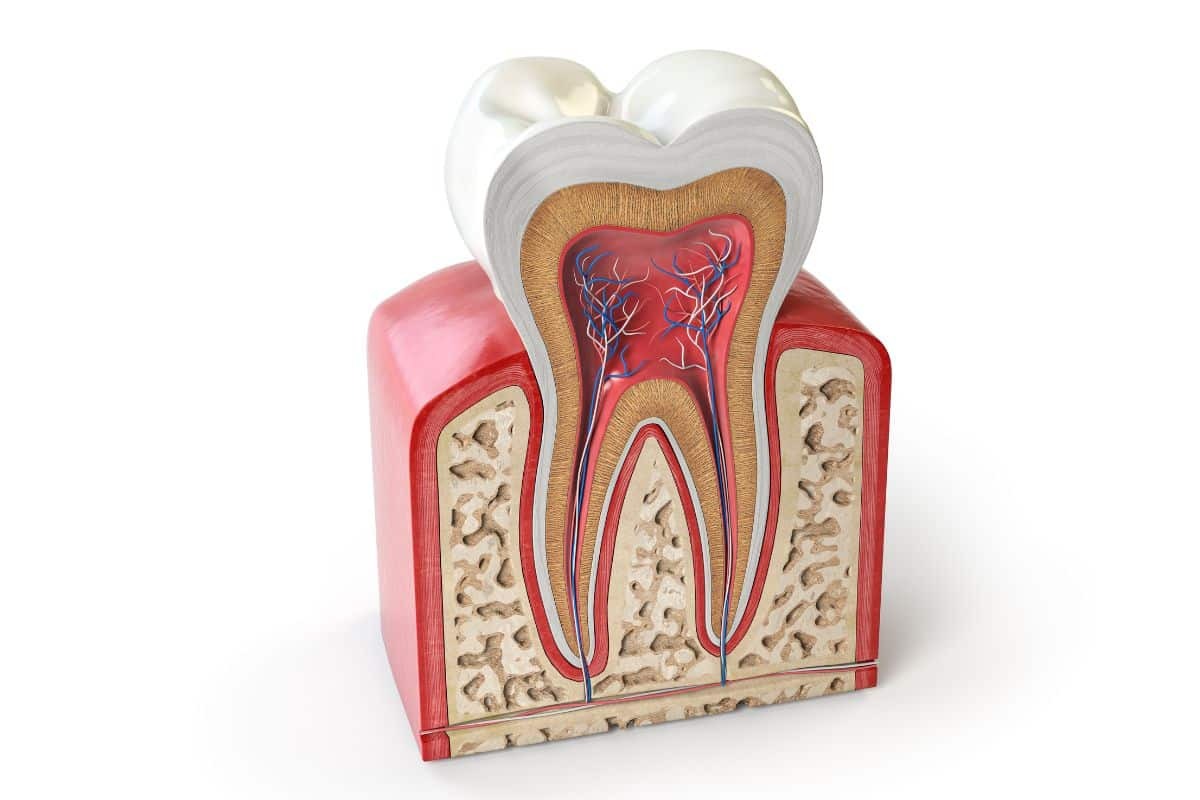
Before we discuss returning to work post-treatment, it’s essential to understand what a root canal procedure entails. Essentially, a root canal is a dental procedure designed to remove infected or damaged tissue from within the tooth. This is necessary when the pulp, which contains nerves and blood vessels, becomes infected or inflamed due to deep decay, repeated dental procedures on the tooth, or a crack or chip in the tooth.
During the procedure, your dentist or endodontist (a specialist in treating the inner tooth) will numb the area around the tooth with local anesthesia. They’ll then create an opening in the crown of the tooth and remove the infected or inflamed pulp. After cleaning and shaping the root canals, they’ll fill and seal the space. In many cases, a crown is placed over the tooth to restore its strength and function.
Recovery Period After a Root Canal Treatment
The recovery period following a root canal treatment can vary from person to person and depends on several factors, including the severity of the infection, your overall health, and how well you follow post-treatment care instructions. In general, you can expect some discomfort and sensitivity in the treated tooth and surrounding area for a few days following the procedure.
Your dentist may prescribe pain medication to help manage any discomfort, and it’s essential to follow their instructions regarding dosage and frequency. You may also be advised to avoid chewing on the treated tooth until it’s fully healed to prevent further damage.
Returning to Work After a Root Canal Treatment
Now, let’s address the burning question: how soon can you return to work after undergoing a root canal treatment in Robstown? The good news is that for many people, returning to work the day after the procedure is entirely feasible. However, this can vary based on individual factors such as pain tolerance, the complexity of the procedure, and the nature of your work.
If your job involves strenuous physical activity or requires you to be on your feet for extended periods, you may want to take an extra day or two off to rest and recover. Similarly, if you experience significant pain or swelling following the procedure, it’s best to err on the side of caution and give yourself additional time to recuperate.
Post-Treatment Care Tips
To facilitate a smooth recovery and minimize any potential complications, be sure to follow your dentist’s post-treatment care instructions diligently. This may include:
- Taking prescribed medications as directed: This may include pain relievers and antibiotics to prevent infection.
- Avoiding hard or crunchy foods: Stick to softer foods that won’t put undue pressure on the treated tooth.
- Practicing good oral hygiene: Continue brushing and flossing regularly, but be gentle around the treated tooth to avoid irritation.
- Attending follow-up appointments: Your dentist may schedule a follow-up visit to check on your progress and ensure that the tooth is healing properly.
By following these guidelines and listening to your body, you can help ensure a smooth and speedy recovery from your root canal treatment.
Conclusion
While the thought of undergoing a root canal treatment in Robstown may be daunting, rest assured that it’s a relatively common and highly effective procedure for saving damaged teeth. With proper care and attention, you can return to your daily routine, including work, shortly after the treatment. Remember to prioritize your oral health and follow your dentist’s recommendations for the best possible outcome.