201 E Ave J, Robstown, TX 78380

Why Can Your Teeth Feel Clean but Still Have Plaque?
August 10, 2026
Dental Care
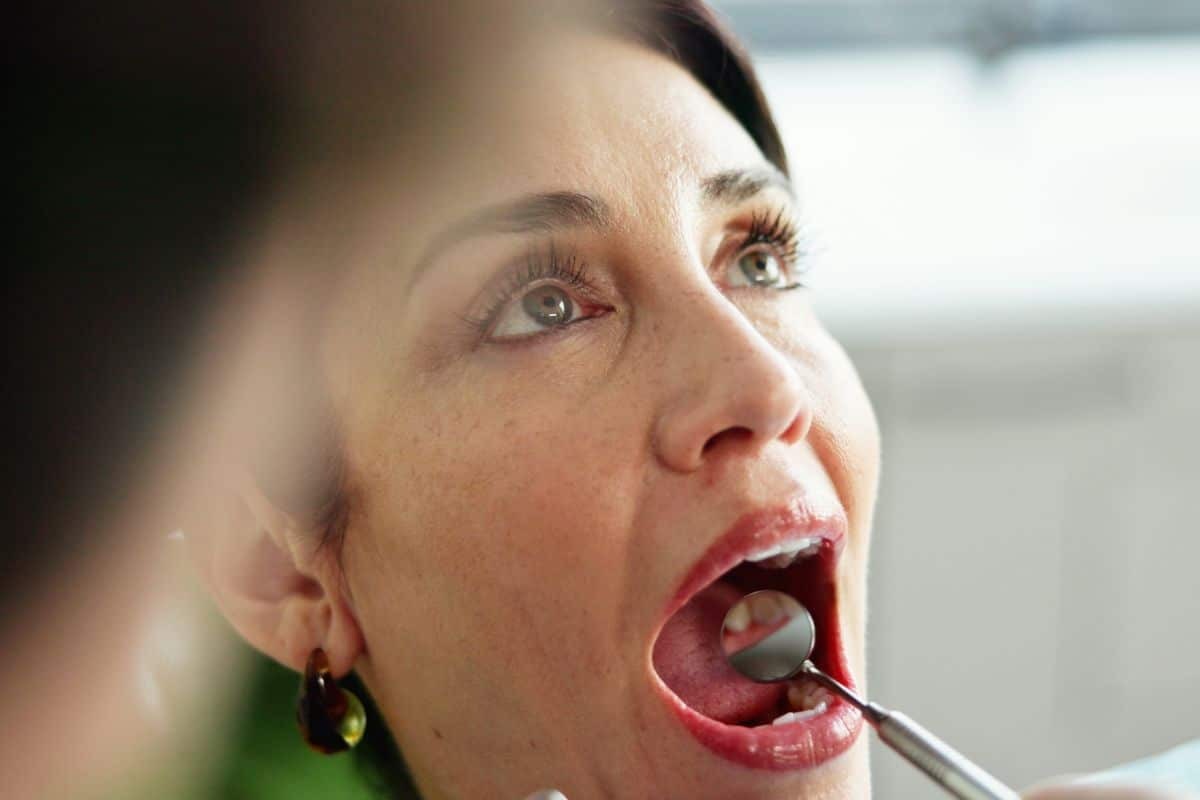
It’s a common assumption that if your teeth feel smooth and clean right after brushing, plaque must be gone. Unfortunately, that smooth feeling doesn’t always tell the whole story. Plaque can still be present in areas a toothbrush doesn’t fully reach, even when everything feels fine to the tongue, which is why regular checkups with a dental care provider matter as much as your at-home routine.
At Robstown Dentistry & Orthodontics, Dr. Desai often points this out to patients who are surprised to learn about plaque buildup despite a solid brushing habit. The disconnect usually comes down to a few specific gaps in technique or timing rather than a lack of effort.
Why That “Clean” Feeling Can Be Misleading
Brushing removes plaque from the visible, easy-to-reach surfaces of teeth quite effectively, which is exactly why things feel smooth afterward. But plaque tends to build up most stubbornly in spots a toothbrush simply can’t access well, including between teeth, along the gumline, and on the back surfaces of molars.
Your tongue also isn’t a particularly reliable tool for detecting plaque, since a thin layer can feel smooth even though it’s still very much present and capable of causing damage over time.
Common Reasons Plaque Gets Missed
Not flossing regularly: Brushing alone typically only reaches about 60 percent of a tooth’s surface. The areas between teeth, where plaque builds up just as readily, need flossing to be properly addressed.
Rushing through brushing: Two minutes might sound like a long time, but many people brush for closer to 30 to 45 seconds without realizing it, which isn’t enough time to thoroughly clean every surface.
Missing the gumline: Plaque tends to accumulate right where the tooth meets the gum, and if the toothbrush angle isn’t quite right, this area can be consistently under-cleaned even with regular brushing.
Skipping the back teeth: Molars, especially the very last ones, are harder to reach and are often brushed less thoroughly than the front teeth, simply because they’re less visible and less convenient to reach.
Using an old or worn toothbrush: Bristles that are frayed or worn down don’t clean as effectively, even if the brushing technique and duration are otherwise solid.
Why This Matters Over Time
Left in place, plaque continues to produce acid that wears down enamel and irritates gum tissue, gradually leading to cavities, gum inflammation, and eventually hardened tartar that can no longer be removed with a toothbrush. This is part of why plaque that “feels” gone can still be quietly causing problems if it isn’t consistently addressed through both brushing and flossing.
How to Actually Get Plaque Under Control
A few adjustments to a daily routine make a meaningful difference. Flossing once a day reaches the areas between teeth that brushing alone can’t fully clean. Brushing for a full two minutes, twice a day, using a timer if needed, ensures every surface gets adequate attention. Angling the brush slightly toward the gumline helps clear plaque from that commonly missed area. Replacing your toothbrush every three to four months, or sooner if the bristles are visibly worn, keeps cleaning effective.
An electric toothbrush can also help for many people, since built-in timers and more consistent brushing motion tend to improve overall plaque removal compared to manual brushing alone.
Why Professional Cleanings Still Matter
Even with a solid daily routine, professional cleanings remain an important part of dental care, since a hygienist can access and remove plaque and tartar buildup from spots that are difficult to fully manage at home, especially along the gumline and between tightly spaced teeth. Routine cleanings also allow small issues to be caught early, well before they become noticeable or uncomfortable.
If it’s been more than six months since your last cleaning, or you’re wondering whether your at-home routine is doing enough, contact us, and we’re happy to take a look and offer some personalized guidance.
Building Confidence in Your Daily Routine
Understanding that a clean feeling doesn’t always mean plaque-free teeth isn’t meant to be discouraging; it’s simply a reminder that a thorough routine, paired with regular professional cleanings, is what actually keeps plaque under control long-term.
Let’s Make Sure Your Smile Is Truly Clean – Visit Our Dental Practice in Robstown, TX
If you want to know whether your at-home routine is really getting the job done, we’re happy to take a look and offer some honest, practical guidance. Visit our dental office and let’s keep your smile healthy from every angle.