201 E Ave J, Robstown, TX 78380


The Importance of Your Child’s First Dental Visit
March 27, 2024
Pediatric Dentistry
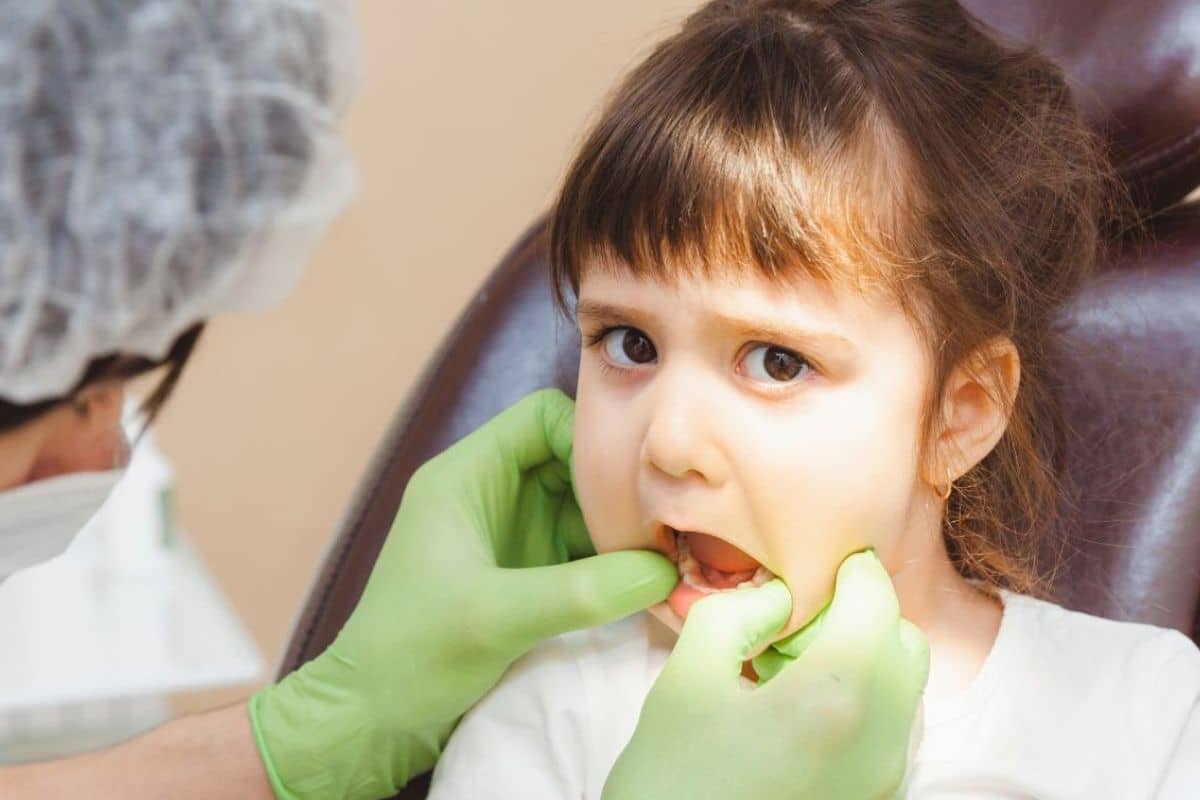
It is important to start your child’s oral health off on the right foot. As soon as they have teeth, it is time to make their first dental visit! This article covers why a first dental visit is so important for your child and what you should expect when it comes time for that initial appointment.
Introduction to the First Dental Visit
The first dental visit is an important milestone in your child’s oral health. It is a time to establish a relationship with a dentist and to learn about proper oral hygiene. The American Academy of Pediatrics recommends that children have their first dental visit by age 1 or within 6 months of the eruption of their first tooth.
During the first dental visit, the dentist will assess your child’s oral health and development. They will also review your child’s medical history and any risk factors for dental problems. The dentist will then clean your child’s teeth and provide instructions on proper brushing and flossing technique. They may also apply fluoride to help prevent cavities.
The first dental visit is a great opportunity to ask the dentist any questions you may have about your child’s oral health. It is also a chance to learn more about how to care for your child’s teeth and gums.
Benefits of Early Dental Visits
The American Academy of Pediatric Dentistry (AAPD) recommends that children have their first dental visit by the age of one, or within six months after the first tooth erupts. Early dental visits are important for several reasons:
They help your child get used to the dentist’s office and reduce any fear or anxiety they may have about going to the dentist.
They allow the dentist to check for any early signs of tooth decay or other oral health problems.
They give the dentist a chance to teach you how to properly care for your child’s teeth and gums.
They give you an opportunity to ask the dentist any questions you may have about your child’s oral health.
What to Expect During a Child’s First Dental Visit
A child’s first dental visit is an important step in their oral health journey. During this visit, the dentist will assess your child’s teeth and gums, and provide you with guidance on how to care for their smile. Here’s what you can expect during your child’s first dental visit:
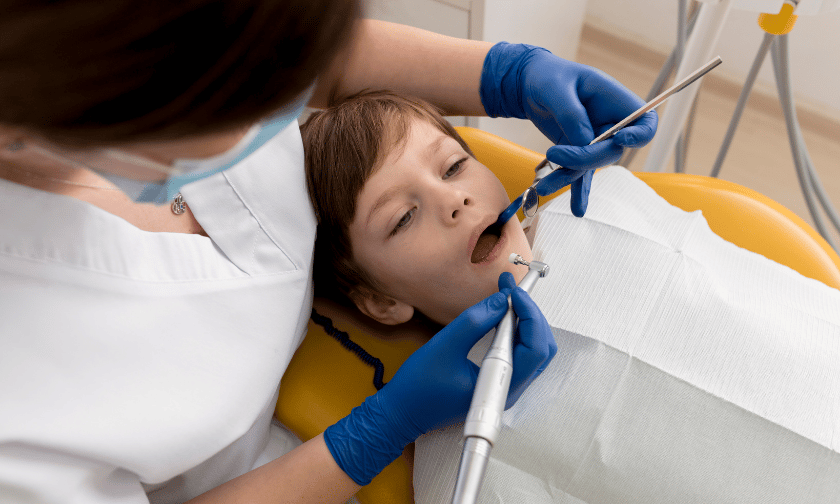
The dentist will start by asking about your child’s medical history and any concerns you may have about their oral health. They will then visually examine your child’s teeth and gums, looking for any signs of decay or other problems.
Next, the dentist will likely use a small mirror to get a closer look at your child’s teeth. They may also use a tool called a probe to check for areas of tooth decay. If necessary, X-rays may be taken to get a better view of your child’s teeth below the gum line.
Once the examination is complete, the dentist will discuss their findings with you and answer any questions you may have. They will also provide guidance on how to care for your child’s teeth at home, including tips on proper brushing and flossing technique.
Tips for Preparing for the First Dental Visit
You’re never too young to start taking care of your teeth! The first dental visit is an important milestone in your child’s oral health. Here are some tips to help you prepare for the big day:
1. Schedule the appointment for a time when your child is well rested and relaxed. This will help ensure that the experience is positive and stress-free.
2. Choose a dentist that specializes in pediatric dentistry. They will be able to provide the best care for your child’s developing teeth and gums.
3. Be sure to bring along any relevant medical information, such as immunization records or a list of allergies. This will help the dentist provide the best possible care for your child.
4. Talk to your child about what to expect during the visit. This can help reduce any anxiety they may be feeling.
5. Finally, make sure you’re prepared to pay for the visit. Many dental insurance plans cover at least part of the cost of preventive care, so be sure to check with your provider beforehand.
Common Treatments for Young Patients
Assuming your child is between the ages of 1-3, common treatments for young patients include:
– Dental sealants: these are clear or white plastic coatings that are applied to the chewing surfaces of the back teeth (molars) to prevent cavities. They are most effective when applied to children who have newly erupted teeth (between the ages of 6 months and 3 years).
– Fluoride therapy: this involves using a fluoride gel, foam, or varnish on the teeth to help prevent cavities. It is often recommended for children who have a high risk of developing cavities.
– Fillings: if your child has a cavity, it will need to be filled in order to prevent further damage to the tooth. The type of filling used will depend on the location and size of the cavity.
The Value of Prevention in Oral Health Care
The first dental visit is important for several reasons. It gives the dentist a chance to check for any problems that may be developing and to begin teaching children how to take care of their teeth.
The earlier a child sees a dentist, the more likely they are to develop good oral health habits that will last a lifetime. Children who see a dentist early are less likely to have cavities, gum disease, or other oral health problems later in life.
Prevention is key when it comes to oral health care. The sooner problems are found and treated, the better. Dental sealants, for example, can help protect teeth from decay, but they need to be applied before cavities develop. Fluoride treatments can also help prevent cavities by making teeth more resistant to decay.
Conclusion
Taking your child to the dentist for their first dental visit is an important step in establishing good oral health. The American Dental Association recommends that children get regular checkups starting at age 1, so it’s best to start early and create a positive experience of dentistry with them. With the right kind of care and preventive measures, your child can have healthy teeth and gums throughout their life. So don’t wait until they’re older—start taking them to the dentist now!