201 E Ave J, Robstown, TX 78380

The Top Five Benefits of Sedation Dentistry: Say Goodbye to Dental Anxiety
July 24, 2023
Sedation
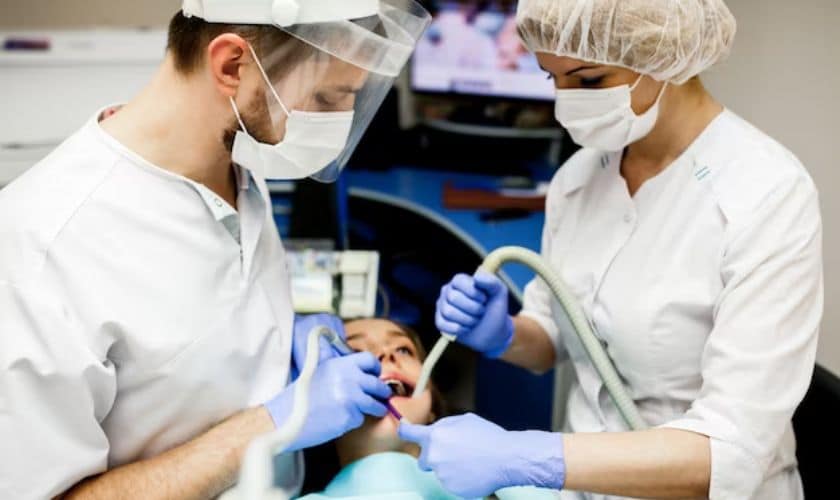
Are you one of those people who break into a cold sweat at the mere thought of visiting the dentist? Do needles and drills send shivers down your spine? If so, then sedation dentistry might just be your saving grace! Imagine being able to relax in the dental chair while all your oral health needs are taken care of. No more anxiety or fear holding you back from achieving a healthy smile. In this blog post, we will explore the top 5 benefits of sedation dentistry and how it can transform even the most dental-phobic individuals into happy and confident patients. So sit back, take a deep breath, and let’s dive into the wonderful world of sedation dentistry!
The Top 5 Benefits of Sedation Dentistry
- Anxiety-Free Dental Visits: One of the most significant benefits of sedation dentistry is its ability to eliminate dental anxiety and fear. For many people, visiting the dentist can be a nerve-wracking experience that often leads to avoidance or neglect of oral health care. With sedation dentistry, patients can finally bid farewell to those feelings of dread. Whether it’s mild sedation with an oral medication or deeper levels achieved through intravenous (IV) sedation, these techniques create a sense of calm and relaxation that allows patients to receive necessary treatment without distress.
- Pain Management: Pain is another common reason why people avoid going to the dentist. The thought of needles and drills can send even the bravest souls running for cover. However, with the use of anesthesia techniques in sedation dentistry, pain becomes virtually nonexistent during procedures. Dentists are skilled in administering local anesthesia or general anesthesia based on individual needs and preferences, ensuring a comfortable experience throughout any procedure.
- Increased Comfort and Relaxation: Sedation dentistry provides an added level of comfort by allowing patients to undergo lengthy or complex dental treatments in one sitting while remaining relaxed throughout the process. This eliminates the need for multiple appointments and reduces stress associated with prolonged chair time.
4. Improved Treatment Efficiency: When patients are relaxed during their dental appointments, it becomes easier for dentists to perform their work efficiently without interruptions due to patient discomfort or anxiety-related issues such as gag reflexes. As a result, treatments can be completed more quickly and effectively.
5. Expanded Accessible Care Options: With sedation dentistry, individuals who have previously been restricted from receiving certain dental treatments due to anxiety or other factors now have access to a broader range of services they may require – from routine cleanings and fillings all the way up to extensive restorative procedures like root canal therapy or implant placement.
These top 5 benefits demonstrate how sedation dentistry can truly transform the dental experience for individuals who struggle with anxiety
How Sedation Dentistry Works
Sedation dentistry is a game-changer for those who suffer from dental anxiety. But how does it actually work? Let’s take a closer look.
When you arrive for your dental appointment, the sedation dentist will first assess your medical history and discuss any concerns or questions you may have. This is an important step to ensure that the right type of sedation is chosen for you.
Once the appropriate sedation method has been determined, the dentist will administer it before beginning any procedures. The goal here is to help you achieve a relaxed and calm state throughout your treatment.
There are different levels of sedation available, ranging from minimal to deep sedation, depending on your needs and preferences. Minimal sedation keeps you awake but relaxed, while deep sedation allows you to remain unconscious during the procedure.
During the treatment itself, the dentist will closely monitor your vital signs and adjust the level of anesthesia as needed. This ensures both safety and comfort throughout the entire process.
After completion of the procedure, some recovery time may be necessary if deeper levels of sedation were used. You’ll have someone drive you home since drowsiness can linger for a few hours after treatment.
By utilizing various types of anesthesia and closely monitoring patients’ vitals, dentists can create a comfortable environment where individuals with dental anxiety can receive necessary treatments without fear or discomfort. Say goodbye to dental anxiety with seda
The Different Types of Sedation Dentistry
Sedation dentistry offers a range of options to help patients relax and feel comfortable during dental procedures. One size does not fit all when it comes to sedation, as different individuals have different needs and preferences. That’s why there are various types of sedation dentistry available.
Nitrous oxide, commonly known as laughing gas, is one type of sedation that is inhaled through a mask placed over the nose. It induces a feeling of relaxation and mild euphoria, allowing patients to remain conscious but calm throughout their treatment.
Oral sedation involves taking medication prior to your appointment to induce a state of deep relaxation. While you will still be conscious, oral sedation can make you feel drowsy or groggy during the procedure.
Intravenous (IV) sedation is administered directly into the bloodstream for immediate effects. This type of sedation allows for precise control over the level of relaxation experienced by the patient.
General anesthesia is sometimes used for more complex or lengthy procedures. Under general anesthesia, you will be completely unconscious throughout the entire treatment.
Each type of sedation has its advantages and considerations depending on factors such as anxiety levels, medical history, and procedure complexity. Your dentist will work with you to determine which option is best suited for your specific needs.
Remember that only trained professionals should administer any form of dental anesthesia or perform these treatments safely and effectively. Discussing your concerns and goals with your dentist will ensure that they can provide optimal care while keeping your comfort in mind.
The Different Types of Anesthesia Used in Dentistry
The field of dentistry has come a long way in terms of providing comfort and relaxation for patients. One of the key advancements in this area is the use of different types of anesthesia during dental procedures. These anesthetics help to numb the pain and discomfort, making it easier for both the patient and dentist to carry out necessary treatments.
Local anesthesia is commonly used in dentistry to numb a specific area before performing procedures such as fillings or root canals. It works by blocking nerve signals in that particular region, ensuring that you won’t feel any pain during treatment.
Another type of anesthesia used in dentistry is intravenous (IV) sedation. This involves administering medication directly into your bloodstream through a vein, inducing a deep state of relaxation and drowsiness. IV sedation allows patients to undergo more complex dental procedures without feeling anxious or uncomfortable.
For those with severe anxiety or phobia related to dental visits, general anesthesia may be recommended. This type of anesthesia puts you completely asleep throughout the procedure, allowing the dentist to perform extensive treatments while you remain unaware and free from any discomfort.
In some cases, nitrous oxide or “laughing gas” may be used as a mild form of sedation. It helps relax patients by reducing anxiety levels but doesn’t induce sleep like other forms of anesthesia do.
It’s important to note that only qualified professionals should administer these anesthetics as their proper usage requires specialized training and expertise.
By having different options available, dentists can tailor their approach based on each individual’s needs and preferences. So whether you require local anesthesia for minor work or need deeper sedation for more complex treatments, rest assured that there are various types of anesthesia available to ensure your comfort at every step along your dental journey.
The Different Types of Dental Treatments Provided by Sedation Dentists
Sedation dentistry offers a wide range of dental treatments that can be performed while the patient is under sedation. This allows individuals who suffer from dental anxiety or fear to receive the necessary dental care without experiencing stress or discomfort.
One common type of treatment provided by sedation dentists is routine cleanings and check-ups. Regular visits to the dentist are essential for maintaining oral health, but for many people with dental phobia, these appointments can be extremely challenging. With sedation dentistry, patients can relax and have their teeth cleaned and examined without feeling anxious.
Another type of treatment offered is restorative procedures such as fillings or crowns. These treatments are often necessary to repair damaged teeth and restore proper functioning. Sedation dentistry allows patients to undergo these procedures in a relaxed state, ensuring they experience minimal pain or discomfort.
More complex treatments like root canal therapy or tooth extractions can also be performed under sedation. These procedures may require multiple appointments and involve more invasive techniques; however, with the use of sedatives, patients can remain calm throughout the process.
Cosmetic dentistry procedures like teeth whitening or veneers are also available through sedation dentistry practices. These aesthetic treatments help improve the appearance of smiles and boost self-confidence. By choosing sedation during cosmetic procedures, patients can enjoy a comfortable experience while achieving their desired smile transformation.
Pediatric dentists also utilize sedative techniques when treating children who may have difficulty sitting still during dental appointments. By providing a calm environment using various forms of conscious sedation, children can receive necessary treatments such as cavity fillings or preventive sealants without fear or distress.
Sedation dentistry provides numerous benefits for individuals who struggle with dental anxiety or phobia by offering different types of dental treatments in a relaxed state under various levels of anesthesia based on individual needs. Whether it’s a routine check-up or a complex procedure, patients can now say goodbye
Sedation Dentistry for Children and Teens
Sedation dentistry is not only beneficial for adults but also for children and teens who experience dental anxiety. It can be particularly challenging to provide dental care for young patients, as their fear or discomfort may prevent them from receiving necessary treatments. This is where sedation dentistry comes in.
For children and teens, sedation dentistry offers a safe and effective way to alleviate any anxiety or fear they may have about visiting the dentist. By using various techniques such as nitrous oxide (laughing gas) or oral conscious sedation, the dental team can create a calm and relaxed environment that allows young patients to receive the care they need without distress.
One of the benefits of sedation dentistry for children and teens is that it helps them overcome negative experiences or traumatic memories associated with previous dental visits. By providing a comfortable and pain-free experience, sedation enables these patients to build positive associations with dental care, leading to better oral health habits in the future.
Additionally, sedation dentistry can be especially helpful for children or teens with special needs who may struggle with sensory sensitivities or behavioral challenges during dental procedures. Sedatives help them remain still and cooperative throughout treatment while ensuring their comfort at all times.
It’s important to note that when it comes to pediatric sedation dentistry, there are specific protocols in place to ensure safety. Dentists who specialize in treating children undergo additional training so they can tailor the level of sedation appropriately based on each child’s unique needs.
Incorporating sedation dentistry into pediatric practice has numerous advantages. It addresses fears and anxieties surrounding dental visits among younger patients while ensuring their comfort during treatments. This promotes positive long-term oral health outcomes by instilling confidence in regular dental care from an early age.
Sedation dentistry offers numerous benefits that can help individuals overcome their dental anxiety and receive the care they need. From reducing fear and discomfort to ensuring a pain-free experience, sedation dentistry has revolutionized how dental treatments are performed.
By using different types of sedation methods and anesthesia, dentists can provide a personalized approach to each patient’s needs. Whether it’s oral sedation, nitrous oxide, or IV sedation, these options allow patients to feel calm and relaxed during their dental procedures.
Furthermore, sedation dentistry is not limited to adults only. Children and teenagers who experience dental anxiety can also benefit from this technique. By creating a comfortable environment for younger patients, they can develop positive associations with dental visits early on.
So if you’ve been avoiding going to the dentist due to fear or anxiety, consider exploring the option of sedation dentistry. It could be just what you need to say goodbye to your worries and hello to a healthier smile!
Remember that every individual is unique in their needs and preferences when it comes to dental care. Consult with your dentist about whether sedation dentistry is right for you or your loved ones.
Take control of your oral health today by embracing the benefits of sedation dentistry – because there’s no reason why anyone should let fear stand in the way of achieving optimal dental wellness!


