201 E Ave J, Robstown, TX 78380


Why Does My Tooth Hurt After a Root Canal?
November 11, 2025
Root Canal Treatment

A root canal is intended to alleviate pain—not exacerbate it. So when your tooth still feels sore after the treatment, it’s easy to wonder if something went wrong. The truth is that many people experience tenderness or sensitivity in the days following their procedure. Your tooth has gone through a lot, and just like any other part of your body, it needs time to recover.
Understanding why your tooth hurts after root canal treatment can help you know what’s normal, what’s temporary, and when you should check back in with your dentist.
What a Root Canal Actually Does?
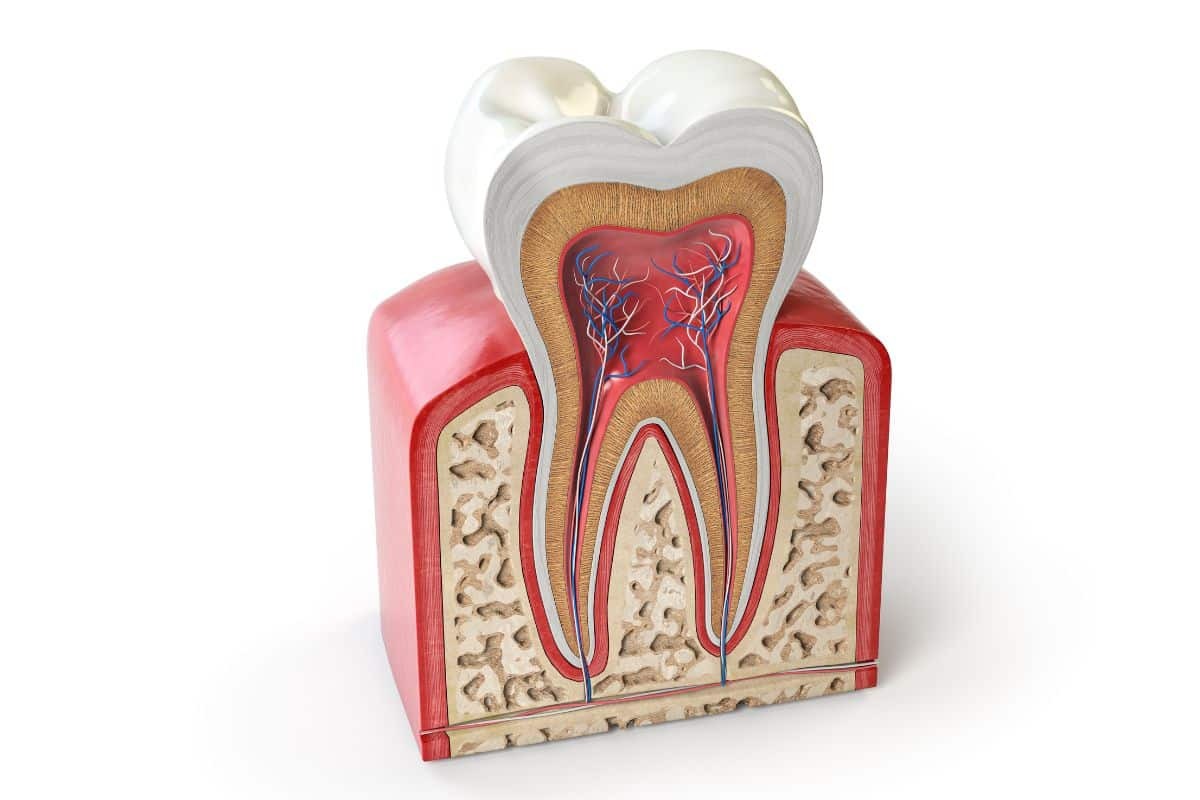
A root canal removes the infected pulp inside your tooth, cleans the inner canals, and seals them. This stops the infection and helps save the natural tooth. Although the nerve is removed during treatment, the tissues around your tooth are still very much alive—and they respond to the procedure.
This response often leads to short-term soreness as your body begins to heal. Even though the infection is gone, the surrounding ligament and bone may stay irritated for a little while.
Common Reasons Your Tooth May Hurt After a Root Canal
1. Inflammation Around the Tooth
After a root canal, the tissues surrounding the root tip may still be swollen due to the infection or the procedure itself. This swelling can create tenderness when you chew or apply pressure.
2. Healing Nerves and Surrounding Tissues
While the nerve inside your tooth is removed, the area around the tooth still contains nerves that can produce temporary soreness. This is similar to how your skin may be sensitive after a cut has healed.
3. A High Bite or Pressure on the Tooth
Sometimes the filling or temporary crown may sit a little higher than your natural bite. This can create extra pressure on the treated tooth, causing discomfort until it’s adjusted.
4. Residual Infection That Needs Follow-Up
If bacteria are deep within the canals or if new bacteria enter through a crack, inflammation may persist. This doesn’t mean the procedure failed—just that the tooth may need an additional cleaning or revision.
5. Cracks or Hidden Canals
In rare cases, a tiny fracture or an extra canal that didn’t show up initially can keep the tooth sensitive. These are usually treatable once identified.
How Long Should Pain Last After a Root Canal?
Most people notice improvement within a few days. Mild soreness when chewing or tapping on the tooth is normal for the first week, especially with deep infections.
However, persistent pain that lasts more than 10–14 days—or pain that gets worse instead of better—should be checked by your dentist.
When Pain Is Not Normal?
Reach out to your dentist if you notice:
- Sharp, intense, or worsening pain
- Swelling in the gums or face
- Fever or a bad taste
- Sensitivity that continues beyond two weeks
- Difficulty chewing long after the root canal
These may be signs that the tooth needs additional attention.
Simple Ways to Reduce Post-Treatment Discomfort
A few care steps can make your recovery smoother:
- Stick to soft foods for the first couple of days
- Avoid chewing on the treated side
- Take over-the-counter pain relief if recommended
- Keep brushing gently around the area
- Use a warm saltwater rinse to calm irritated tissues
These habits help soothe inflammation and protect your tooth while it heals.
Get Relief From Post-Root Canal Pain – Visit Robstown Dentistry & Orthodontics
If your tooth still hurts after your root canal or something just doesn’t feel right, our team at Robstown Dentistry & Orthodontics is here to help you get back to comfortable eating and smiling again. Many patients in Robstown, TX, experience temporary soreness after treatment, and a quick check can make sure everything is healing as it should.
Request an appointment today so we can assess your tooth and help you feel better as soon as possible.