201 E Ave J, Robstown, TX 78380


Understanding the Benefits of Dental Implants: Insights from a Leading Implant Dentist
September 17, 2023
Dental Implants
Welcome to our blog post on the benefits of dental implants, brought to you by a leading implant dentist! If you’ve ever experienced tooth loss or are currently struggling with missing teeth, then this article is for you. Dental implants have revolutionized the field of dentistry, providing patients with a long-lasting and natural-looking solution to restore their smiles. In this post, we’ll delve into what dental implant dentistry implants are, how they work, and explore the numerous advantages they offer over other types of dental treatments. So let’s dive in and discover how dental implants can transform your oral health and boost your confidence!
What are Dental Implant Dentistry Implants?
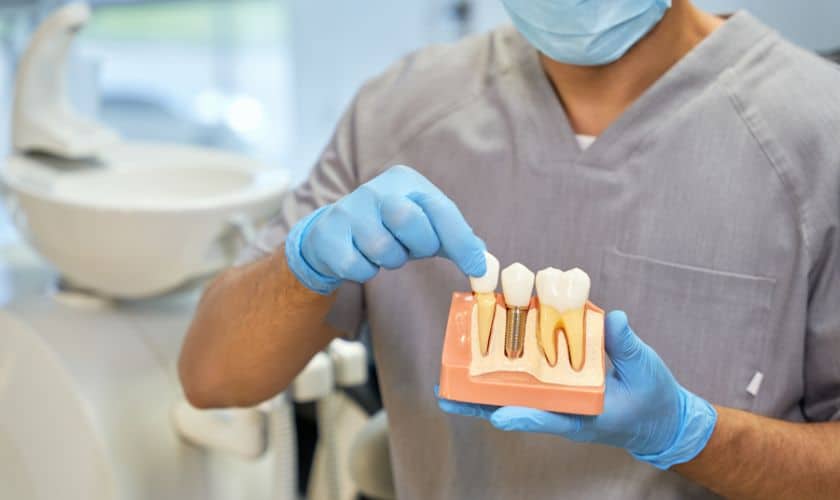
Dental implant dentistry implants are a cutting-edge solution for replacing missing teeth. Unlike traditional dentures or bridges that sit on the gums, dental implants are surgically placed into the jawbone, providing a stable foundation for artificial teeth.
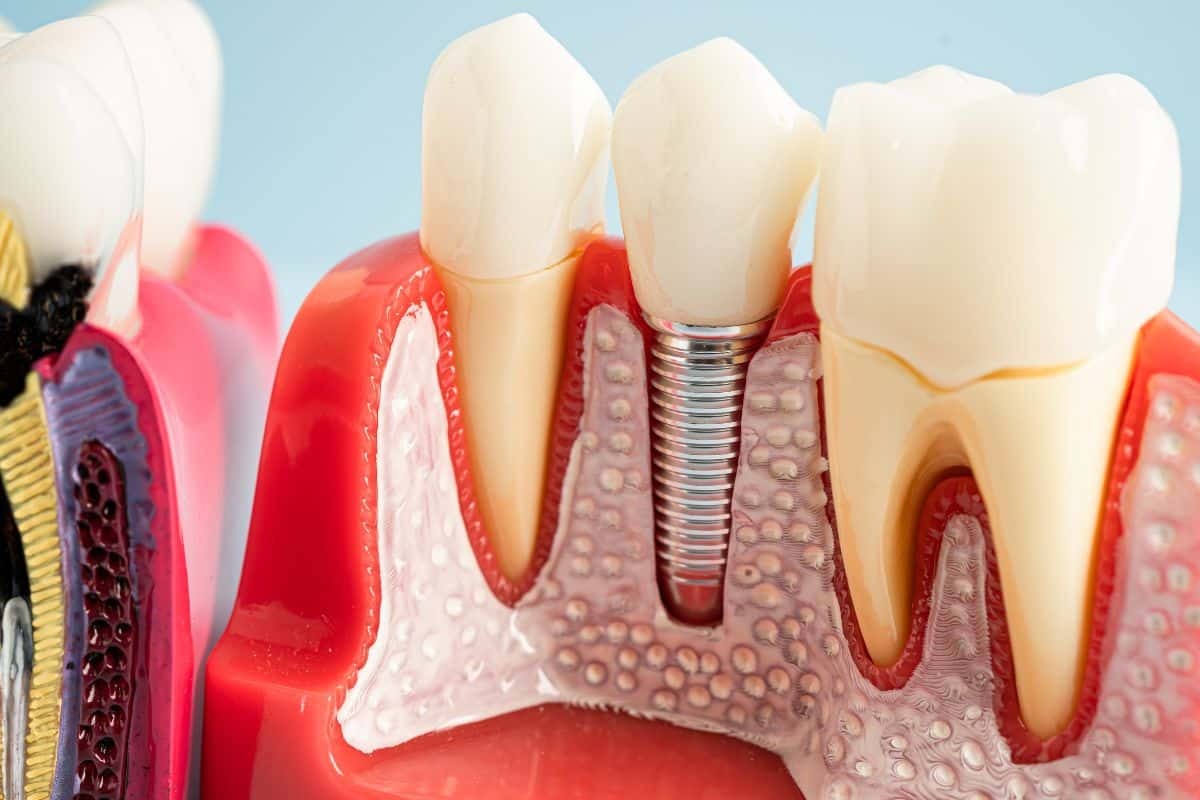
The implant itself is typically made of titanium – a biocompatible material that fuses with the bone during a process called osseointegration. This integration creates a strong bond between the implant and the jawbone, ensuring stability and longevity.
Once the implant has integrated with the bone, an abutment is attached to it. The abutment serves as a connector between the implant and the artificial tooth (crown) that will be placed on top. The crown is custom-made to match your natural teeth in shape, size, and color, resulting in a seamless and natural-looking smile.
One of the remarkable aspects of dental implants is their ability to stimulate bone growth. When you lose a tooth, your jawbone can start to deteriorate over time due to lack of stimulation. Dental implants help prevent this by mimicking natural tooth roots and promoting healthy bone density.
Dental implant dentistry implants offer patients an incredible opportunity to regain their smiles with durable and aesthetically pleasing results. Whether you’re missing one tooth or several, dental implants can provide you with renewed confidence while improving your oral health for years to come!
How do Dental Implant Dentistry Implants Work?
Dental implant dentistry implants are a revolutionary solution for replacing missing teeth. But have you ever wondered how they actually work? Let’s take a closer look.
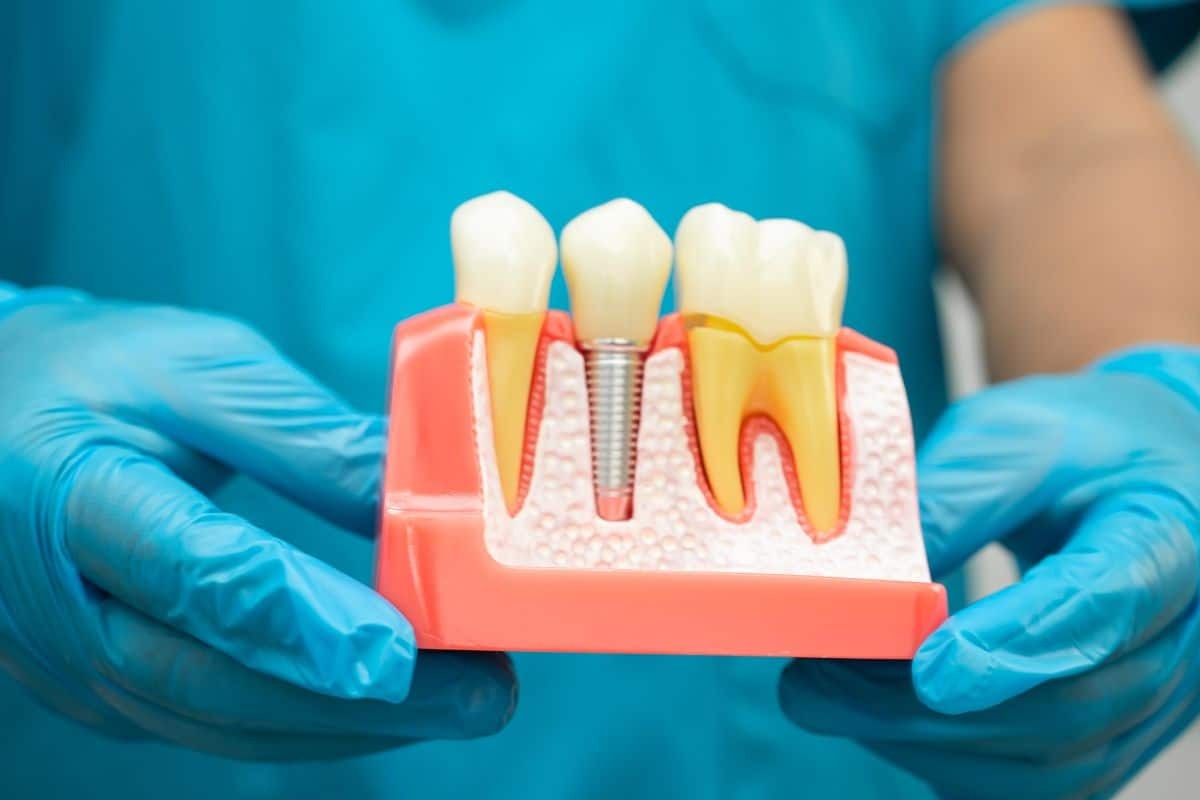
First, it’s important to understand that dental implants consist of three main components: the implant itself, the abutment, and the prosthetic tooth. The implant is a small titanium screw that serves as the artificial tooth root. It is surgically placed into the jawbone, where it fuses with the bone through a process called osseointegration.
Once the implant has fully integrated with the jawbone, an abutment is attached to it. This connector piece protrudes above the gum line and acts as a support for the prosthetic tooth or crown.
The final step involves attaching a custom-made prosthetic tooth to the abutment. This new tooth is designed to blend in seamlessly with your natural teeth in terms of appearance and function.
One of the key advantages of dental implants is their ability to provide stability and strength similar to natural teeth. Because they are anchored directly into your jawbone, they offer exceptional chewing power without causing damage to surrounding teeth.
Additionally, dental implants stimulate bone growth in your jaw through regular biting forces, helping maintain bone density and preventing further deterioration over time.
Dental implant dentistry implants work by mimicking natural teeth structure and function. They provide stability and durability while promoting healthy bone growth in your jaw. By understanding how these remarkable devices work, you can appreciate why they are considered one of today’s most effective solutions for restoring smiles!
What Are the Benefits of Dental Implant Dentistry Implants?
One of the key benefits of dental implant dentistry implants is their ability to provide a long-lasting solution for missing teeth. Unlike other dental treatments, such as dentures or bridges, implants are designed to fuse with the jawbone and act as a permanent replacement for natural teeth.
Implants not only restore your smile but also improve your overall oral health. By filling in the gaps left by missing teeth, they help prevent bone loss and maintain the structure of your face. This can have a significant impact on your self-confidence and appearance.
Another advantage of dental implants is their durability. With proper care and maintenance, implants can last a lifetime, making them a cost-effective option in the long run compared to other tooth replacement options that may require frequent repairs or replacements.
In addition, dental implant dentistry implants offer superior comfort and functionality compared to alternatives like dentures or bridges. They are securely anchored in the jawbone, which means you can enjoy eating all your favorite foods without worrying about slippage or discomfort.
Furthermore, unlike traditional bridgework that requires adjacent healthy teeth to be filed down for support, implants do not rely on neighboring teeth for stability. This preserves the integrity of surrounding natural teeth and ensures better oral health overall.
Dental implant dentistry offers numerous benefits: long-term tooth replacement solution, improved oral health and appearance, durability over time, enhanced comfort and functionality during daily activities like eating and speaking—making it an attractive choice for patients seeking a permanent solution for missing teeth
What Are the Risks of Dental Implant Dentistry Implants?
Risks are an inevitable part of any medical procedure, and dental implant dentistry implants are no exception. While the success rate of dental implants is high, it’s important to be aware of potential risks before undergoing the procedure.
One common risk associated with dental implants is infection. Like any surgical procedure, there is a small chance that an infection may develop at the implant site. However, this risk can be minimized by following proper oral hygiene practices and taking prescribed antibiotics as directed.
Another potential risk is damage to surrounding structures such as nerves or blood vessels. Although rare, placement errors during the implant surgery can lead to complications. This highlights the importance of choosing an experienced and skilled implant dentist who will carefully assess your case and plan the treatment accordingly.
Additionally, some patients may experience discomfort or pain after getting dental implants. This usually subsides within a few days but can be managed with pain medication if needed.
It’s worth mentioning that certain factors such as smoking or chronic health conditions like diabetes can increase the risks associated with dental implants. It’s crucial for your implant dentist to evaluate your overall health status and discuss any potential risks specific to your situation.
While there are risks involved in getting dental implants, they are generally minimal when compared to their benefits. By working closely with a qualified implant dentist and maintaining good oral hygiene habits post-surgery, you can greatly reduce these risks for a successful outcome.
Advantages of Dental Implant Dentistry Implants over Other Types of Dental Treatments
When it comes to replacing missing teeth, dental implant dentistry implants offer several advantages over other types of dental treatments. One major advantage is their durability and lifespan. Unlike traditional bridges or dentures that may need to be replaced every few years, dental implants can last a lifetime with proper care.
Another advantage is the natural look and feel they provide. Dental implant dentistry implants are designed to mimic the appearance and function of natural teeth, giving you a seamless smile and allowing you to eat and speak without any discomfort or difficulty.
In addition, dental implant dentistry implants help preserve your oral health by preventing bone loss in the jaw. When a tooth is lost, the underlying bone begins to deteriorate over time. However, dental implants stimulate the growth of new bone tissue, keeping your jaw strong and healthy.
Furthermore, unlike removable dentures that can slip or cause irritation, dental implant dentistry implants are securely anchored into your jawbone for maximum stability. This means you can enjoy all your favorite foods without worrying about your replacement teeth shifting or falling out.
Dental implant dentistry implants have a high success rate when placed by an experienced implant dentist who specializes in this procedure. With proper care and regular check-ups, you can expect long-term success with your implants.
There are numerous advantages that make dental implant dentistry implants a superior choice for replacing missing teeth compared to other alternatives available today.
What Are the Disadvantages of Dental Implant Dentistry Implants Over Other Types of Dental Treatments?
Dental implants are a popular and effective solution for replacing missing teeth. However, it’s important to consider the potential disadvantages of dental implant dentistry implants compared to other types of dental treatments.
One disadvantage is that dental implant surgery is invasive and requires a healing period. The process involves placing a titanium post into the jawbone, which then needs time to fuse with the bone before an artificial tooth can be attached. This healing period can take several months, meaning that patients may have to wait longer before enjoying their new smile.
Another potential downside is cost. Dental implants tend to be more expensive than other options such as dentures or bridges. While they offer long-term benefits and durability, some individuals may find it challenging to afford the upfront investment required for implant treatment.
Additionally, not everyone may be suitable candidates for dental implants. Patients with certain medical conditions or insufficient bone density in the jaw may need additional procedures such as bone grafting before they can undergo implant surgery.
Furthermore, there are risks associated with any surgical procedure, including infection at the implant site or damage to surrounding structures like nerves or blood vessels.
It’s important for patients considering dental implants to consult with an experienced dentist who can assess their individual situation and determine if this treatment option is right for them. Understanding both the advantages and disadvantages will help individuals make informed decisions about their oral health care choices.
Which Patients Are Best Suited for Dental Implant Dentistry Implants?
Dental implant dentistry implants can be a suitable option for many patients, but not everyone is an ideal candidate. The success of dental implants depends on various factors such as overall health, oral hygiene, and bone density.
Ideal candidates for dental implant dentistry implants typically have good oral health with healthy gums and sufficient jawbone structure to support the implant. They should also be committed to maintaining excellent oral hygiene habits to ensure the long-term success of the procedure.
Patients who have lost one or more teeth due to injury, decay, or disease can benefit from dental implant dentistry implants. Implants provide a permanent solution that looks and functions like natural teeth without compromising adjacent teeth.
Additionally, individuals who wear removable partial or full dentures may consider switching to dental implants for improved stability and comfort. Dental implant dentistry offers a reliable alternative that eliminates the need for messy adhesives while providing a secure fit.
It’s important to note that certain medical conditions such as uncontrolled diabetes or autoimmune diseases may affect the healing process and increase the risk of complications associated with dental implant surgery.
To determine if you’re a suitable candidate for dental implant dentistry implants, it’s essential to consult with an experienced implant dentist who will evaluate your specific situation and develop a personalized treatment plan tailored to your needs.
Dental implant dentistry implants offer numerous benefits over other types of tooth replacement options. They provide a natural-looking smile along with improved functionality and durability. While there are risks involved in any surgical procedure, proper evaluation by an experienced dentist can help minimize potential complications. If you’re considering replacing missing teeth or seeking an alternative to traditional removable prosthetics, consulting with an experienced implant dentist is key in determining if this innovative treatment option is right for you.