201 E Ave J, Robstown, TX 78380

How to Know If Your Dental Implants Need Replacement?
August 4, 2025
Dental Implants

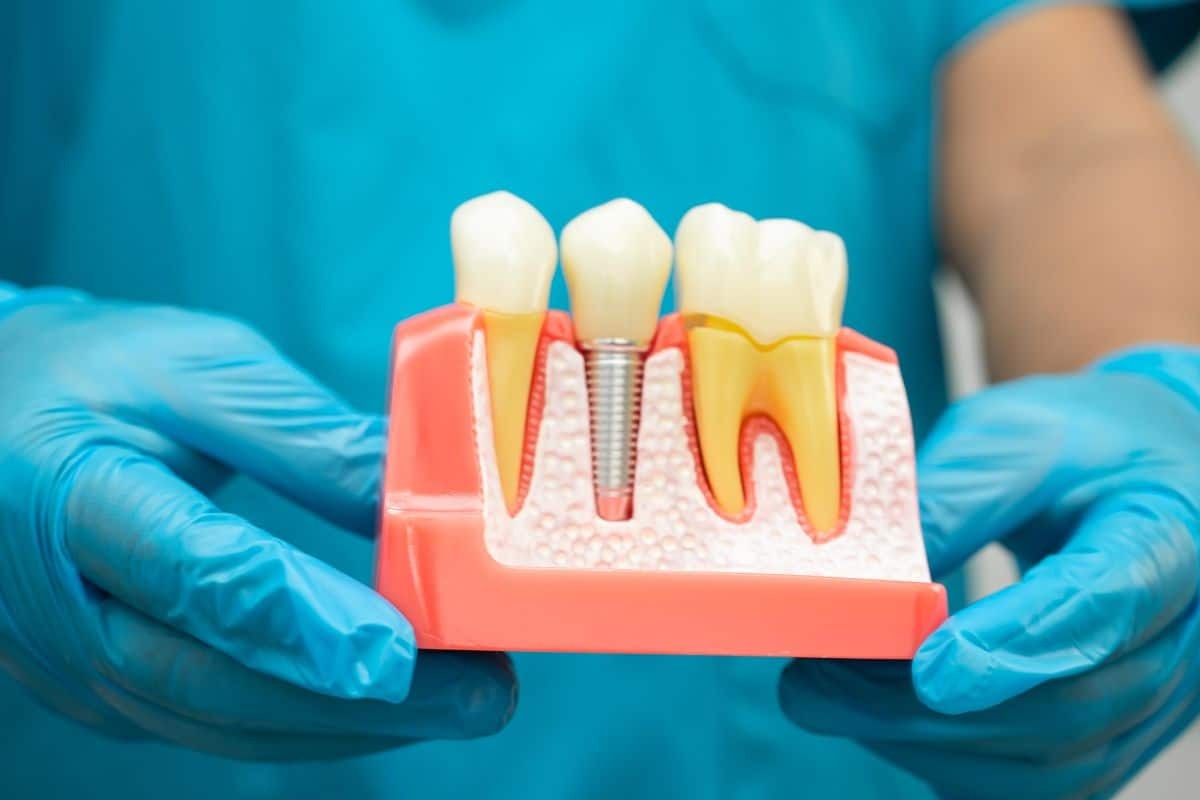
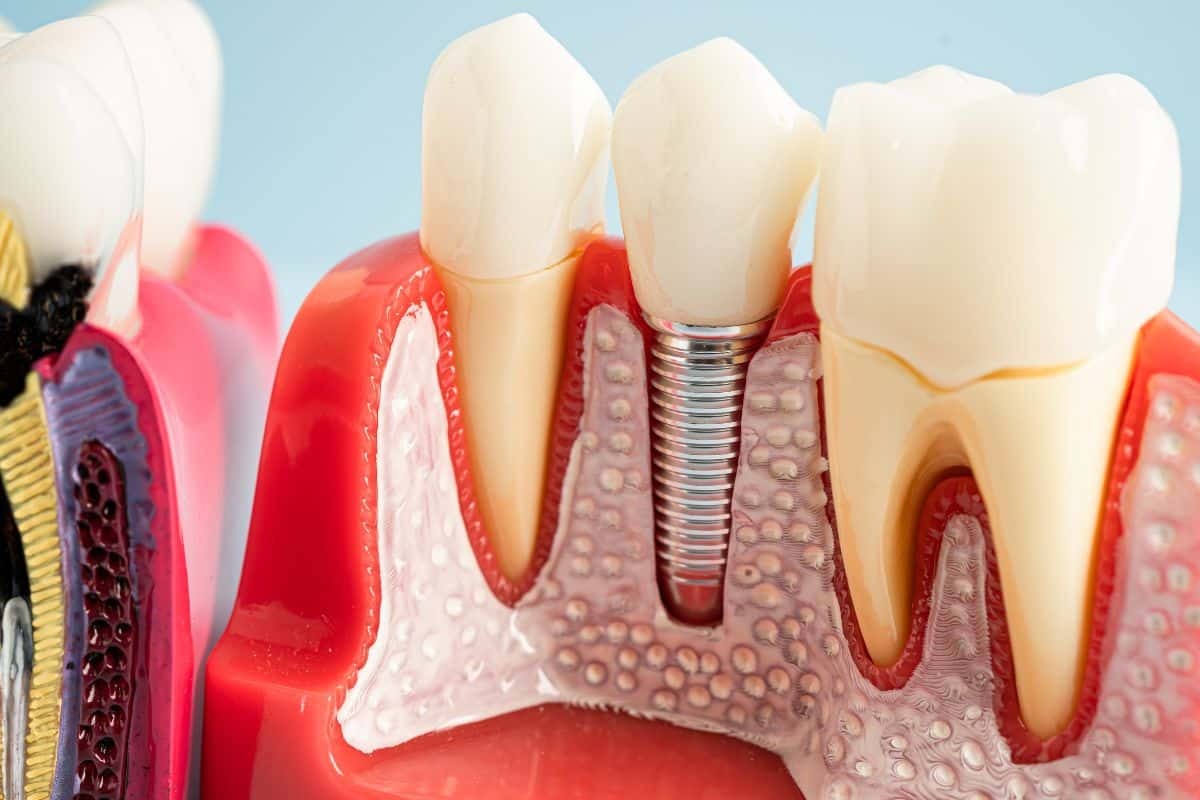
Dental implants are a long-lasting solution for missing teeth, offering both functional and aesthetic benefits. With proper care, they can last for many years — even decades. However, like any dental restoration, implants may eventually require repair or replacement due to wear, trauma, or complications. Knowing when your dental implants need attention is crucial for protecting your oral health and preserving your smile.
In this blog, we’ll help you understand the warning signs that indicate your dental implants might need to be evaluated or replaced by a professional.
1. Persistent Pain or Discomfort
Some discomfort is normal immediately after implant surgery, but if you’re experiencing ongoing or worsening pain long after the healing period, this could be a sign of implant failure. Pain around the implant site may indicate issues like infection, nerve damage, or implant loosening. Never ignore persistent discomfort — your dentist can determine if the implant is still secure or if replacement is needed.
2. Implant Movement or Loosening
One of the clearest signs that your implant may need to be replaced is if it begins to move. A properly integrated implant should feel like a natural tooth and remain firmly in place. If your implant feels loose or shifts when you chew or talk, it could mean the bone around it has deteriorated or the implant has failed to fuse with the jawbone. This situation requires immediate professional assessment.
3. Gum Inflammation or Recession
Healthy gums are vital to the long-term success of a dental implant. If you notice swelling, bleeding, or recession around the implant area, it may indicate peri-implantitis, a type of infection similar to gum disease. Left untreated, this can lead to bone loss and implant failure. Regular cleanings and early intervention can help preserve the implant, but in severe cases, replacement might be necessary.
4. Difficulty Chewing or Speaking
Dental implants are designed to function just like natural teeth. If you suddenly begin to experience trouble chewing certain foods or notice a change in your speech, it might mean that your implant or the restoration on top of it (like a crown or bridge) is damaged or misaligned. A dentist can determine whether a simple adjustment is needed or if a full replacement is required.
5. Visible Damage or Wear
Over time, the crown or bridge attached to your implant may become worn, chipped, or cracked due to daily use. While the implant post itself might remain intact, the visible restoration may need to be replaced to restore function and appearance. Regular dental visits can help catch these issues early before they impact the underlying implant.
6. Bad Breath or Unusual Taste
Persistent bad breath or an odd taste in your mouth can be a sign of an underlying infection around the implant. Bacterial buildup can affect the surrounding gum tissue and bone. If not addressed quickly, this can lead to implant failure and the need for replacement.
If you’re noticing any of the above symptoms and you’ve had dental implants in Robstown placed several years ago, it may be time to schedule an evaluation. Early detection is the key to avoiding further complications and preserving your overall oral health.
Your smile deserves the best care. At Robstown Dentistry & Orthodontics, we’re committed to helping you maintain healthy, long-lasting dental implants. If you’re concerned about your implant or simply due for a check-up, request an appointment today and let our expert team help you smile with confidence again.