201 E Ave J, Robstown, TX 78380

5 Steps To Speed Up Recovery After Dental Implant Surgery
February 6, 2024
Dental Implants
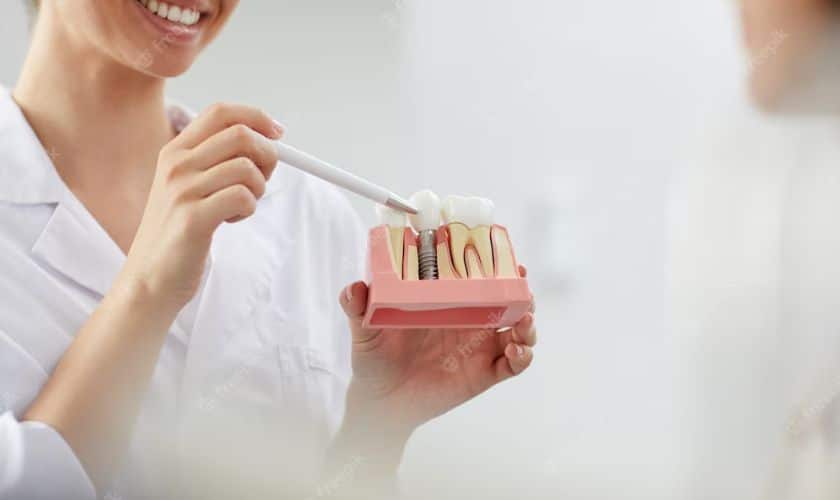
Are you worried about the recovery time after your dental implant surgery? Well, worry no more! We have compiled a list of five simple steps that can help speed up your healing process and get you back to your normal routine in no time. From maintaining healthy hygiene habits to taking the right medications, these tips will ensure a smooth and comfortable recovery. So, sit back and read on to learn how you can make the most of your dental implant surgery experience!
1. Keep your teeth healthy and clean.
Maintaining dental hygiene is crucial for a successful and speedy recovery after dental implant surgery. There are several things you can do to keep your teeth healthy and clean during the healing process.
The first step is to brush your teeth gently twice a day with a soft-bristled toothbrush, making sure not to disturb the surgical site. It’s also essential to floss daily, but be cautious around the implants as they heal.
In addition to brushing and flossing regularly, use an antibacterial mouthwash recommended by your dentist or oral surgeon. This will help eliminate harmful bacteria that could cause an infection in the surgical area.
It’s also important to avoid smoking tobacco products or vaping during this time since it can slow down healing and increase the risk of complications. Schedule regular checkups with your dentist to ensure everything is progressing well and address any concerns promptly.
By following these simple steps, you can maintain good oral hygiene while promoting swift healing after dental implant surgery.
2. Rest and relaxation
After undergoing dental implant surgery, it is essential to give your body time to rest and recover. Resting helps the body heal faster by conserving energy that can be used in the healing process.
It is advisable to take some time off work or any strenuous activities like exercise for a few days after the surgery. This will allow you to manage pain and discomfort better while ensuring your body gets enough time for repair.
During this period of rest, try not to engage in activities that require bending over or lifting heavy objects, as they may increase bleeding around the surgical site. You should also avoid smoking, as it slows down blood flow and affects how quickly tissues heal.
You might experience some bruising or swelling after the procedure; placing an ice pack on your face can help alleviate these symptoms. Additionally, ensure that you have plenty of pillows ready at home so that you can keep your head elevated while sleeping, which reduces swelling and promotes quicker recovery.
Taking prescribed medications from your dentist will also help with pain relief during this period of rest. Remember to always consult with them first before taking any medication not prescribed by them.
By following these tips on rest and relaxation post-surgery, you are sure to make a speedy recovery!
3. Diet
After dental surgery near Robstown, your diet plays a crucial role in the healing process. It is essential to choose foods that promote healing and avoid those that can hinder it.
Soft foods are generally recommended during the first few days after surgery, as they require minimal chewing and won’t cause any damage or discomfort to the surgical site. Some examples of soft foods include scrambled eggs, mashed potatoes, smoothies, and cooked vegetables.
It’s also important to stay away from hot or spicy foods, as they can irritate the gums and slow down the healing process. Acidic foods like citrus fruits should be avoided too, as they can increase sensitivity around the surgical area.
Instead, opt for nutrient-dense foods rich in vitamins A and C, which help boost immunity and promote faster healing. Foods like leafy greens, berries, and nuts/seeds provide these nutrients while being easy on your mouth post-surgery.
Finally-hydration is key! Drink plenty of water to keep yourself hydrated throughout your recovery. Avoid drinking through a straw, though – this causes suction forces that could disrupt blood clots around your implant spot, leading to complications in recovery!
4. Medications
After dental implant surgery, your dentist may prescribe medications to control pain and swelling. It is important to take these medications as directed by your dentist, even if you start feeling better.
Painkillers like acetaminophen or ibuprofen can help manage the discomfort that comes with the surgery. Your dentist may also prescribe stronger pain medication for more severe cases. Make sure to ask your dentist any questions you have about dosage and side effects before taking any medications.
In addition to pain medication, antibiotics may be prescribed to prevent infection. Follow the instructions carefully and finish the entire course of antibiotics, even if symptoms disappear early on.
Some patients might experience nausea after dental implant surgery due to anesthesia or other factors. Anti-nausea medication can alleviate this symptom and make recovery easier.
Remember that every patient’s needs are unique, so it’s vital not to share your prescription medicine with anyone else without consulting a doctor first.
5. Exercise
Exercise is an essential part of a healthy recovery after dental implant surgery. However, it’s important to keep in mind that the type and intensity of exercise should be adjusted based on your individual needs and restrictions post-surgery.
Firstly, it’s best to avoid any strenuous physical activities immediately following your surgery. This includes weightlifting or high-intensity workouts, as they can increase blood pressure and delay healing time. Instead, opt for light stretching or gentle walks to improve circulation.
As you progress through your recovery period, gradually introduce low-impact exercises such as swimming or cycling. These activities can help strengthen muscles, which are crucial for supporting the healing process while minimizing stress on the surgical area.
Remember to consult with your dentist before starting any exercise regimen post-surgery. They will provide guidance specific to your case so that you don’t risk injuring yourself or compromising the success of the implant procedure.
Incorporating regular exercise into your routine after dental implant surgery is important not only for promoting healing but also for maintaining overall health and well-being in the long run.
Summary
In summary, recovering from dental implant surgery is a process that requires patience, dedication, and attention to detail. By following the five steps outlined in this article—keeping your teeth healthy and clean, resting and relaxing, maintaining a healthy diet, taking prescribed medications as directed by your dentist, and engaging in light exercise—you can speed up your recovery time and get back to enjoying life with your new smile.
Remember that every person’s healing process is unique. Therefore, it’s essential to follow the guidance of your dentist or oral surgeon closely. With proper care before and after surgery, you’ll be able to minimize discomfort while achieving optimal results.
So don’t let fear hold you back from improving the appearance of your teeth; instead, use these tips for an easier journey towards full recovery after dental implant surgery!