201 E Ave J, Robstown, TX 78380

How Dental Implant Restoration Options
June 11, 2023
Dental Implants

Are you tired of hiding your smile because of missing teeth? Dental implants might be the solution for you! They are a popular and effective way to restore your smile and improve your overall oral health. But with so many restoration options available, it can be overwhelming to choose the right one for you. In this blog post, we will explore the different types of dental implant restorations and their pros and cons. By the end, you’ll have all the information needed to make an informed decision about which option is best for your pearly whites. So let’s dive in!
What are dental implants?
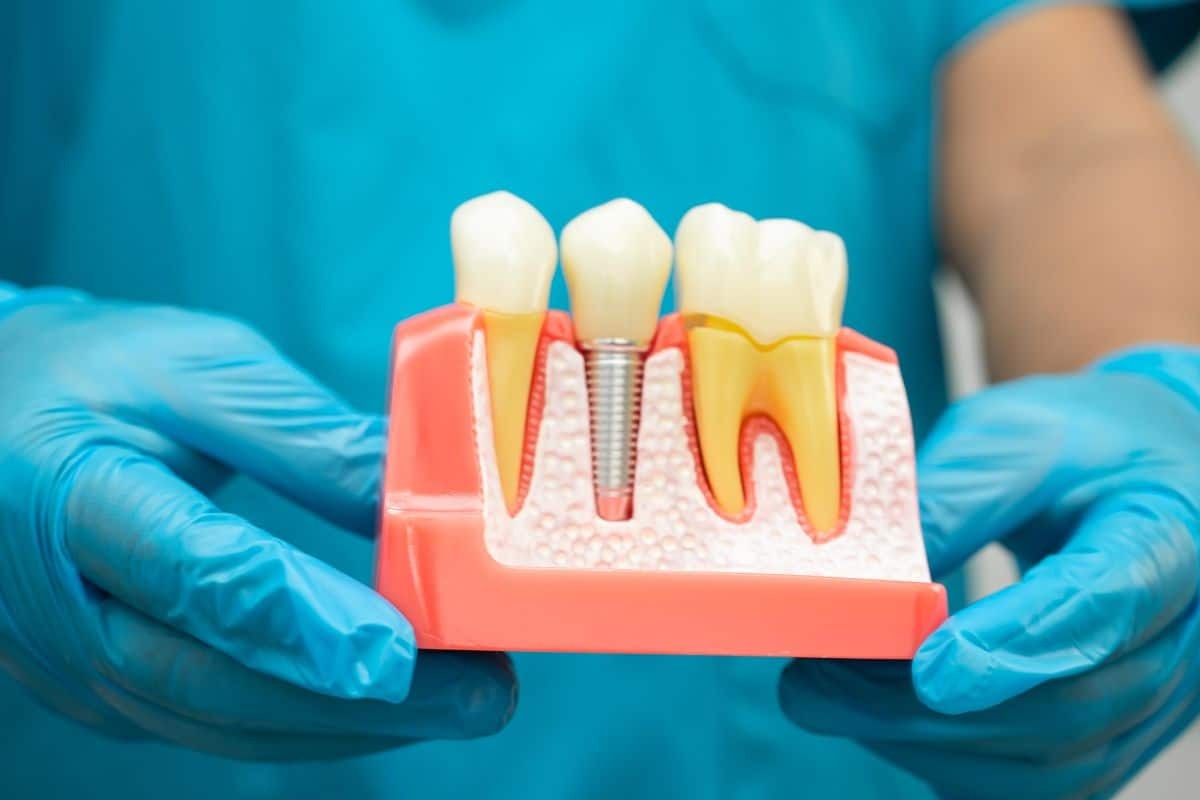
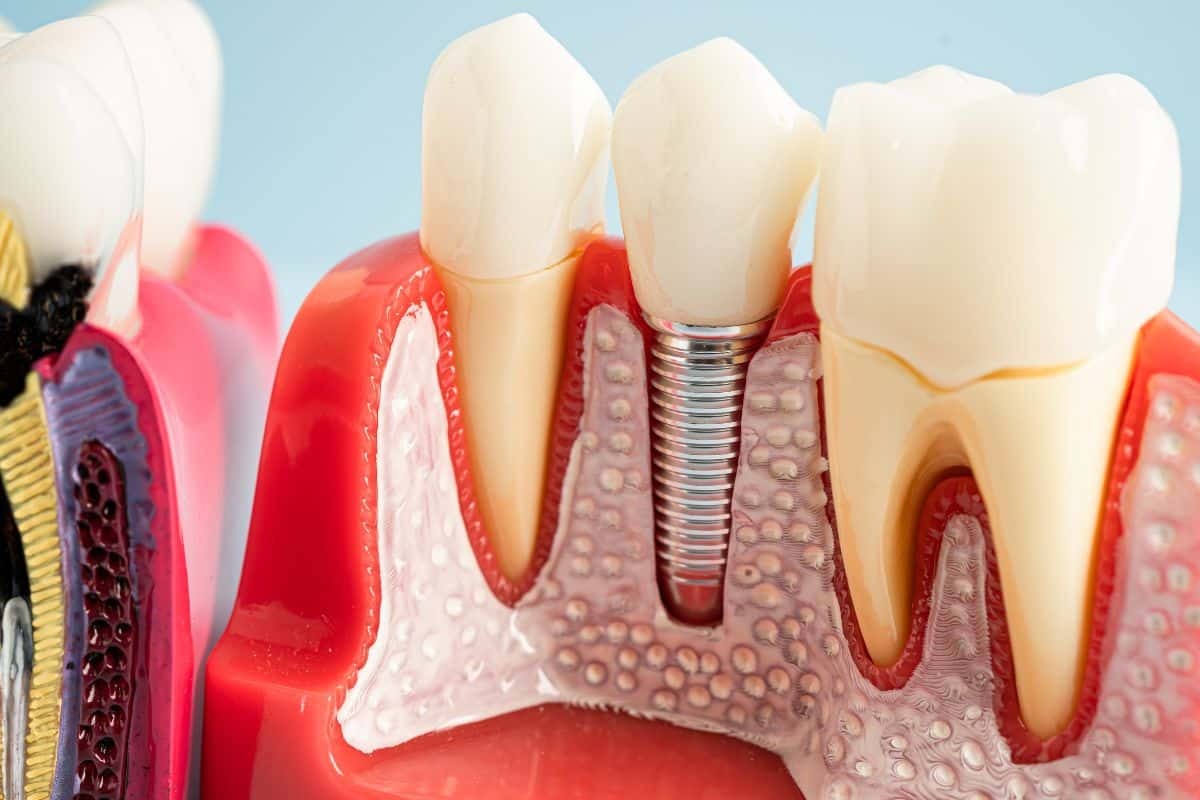
Dental implants are artificial tooth roots that are surgically placed into the jawbone. They serve as a foundation for replacement teeth, providing an alternative to traditional dentures and bridges. The implant itself is typically made of titanium, a biocompatible material that fuses with the bone over time.
Once the implant has fused with the bone, it provides a stable base for a variety of restoration options, including crowns, bridges, and dentures. This allows patients to maintain normal dental function and enjoy improved aesthetics.
One major advantage of dental implants is their durability – they can last decades or even a lifetime with proper care. Additionally, they help preserve adjacent teeth by preventing them from shifting out of position.
The different types of dental implant restoration options
Dental implant restoration options vary depending on the patient’s needs and preferences. One option is a single-tooth implant, which replaces a missing tooth with an artificial one that looks and functions like a natural tooth. Another option is an implant-supported bridge, where two or more implants are used to support multiple teeth.
Mini dental implants are another option for those who don’t have enough bone density for traditional implants. They’re similar in design but smaller in size, making them easier to place and requiring less healing time.
No matter what type of dental implant restoration you choose, it’s important to consider the pros and cons. Each option has its own benefits and drawbacks that should be discussed with your dentist before making a decision.
Pros and cons of each type of dental implant restoration option
When considering dental implant restoration options, it’s important to weigh the pros and cons of each type. The most common types include single tooth implants, implant-supported bridges and dentures.
Single tooth implants are a popular option because they provide a permanent solution for missing teeth. They don’t require any alteration of surrounding teeth and can blend in seamlessly with your natural teeth. However, they can be more expensive than other options and may not be suitable for patients with weakened jawbones.
Implant-supported bridges are another option that may be more cost-effective than single tooth implants, as they can support multiple replacement teeth using fewer implants. However, this option requires healthy adjacent teeth to anchor the bridge, which means some healthy enamel will need to be removed from those teeth.
Dentures supported by dental implants offer superior stability compared to traditional removable dentures. They also prevent bone loss in the jaw and allow you to eat normally again. On the downside, implant-supported dentures may require additional maintenance and adjustment over time.
Which type of dental implant is best for you?
Choosing the right type of dental implant restoration option can be overwhelming. It’s important to consider your individual needs and preferences before making a decision.
One factor to consider is the number of missing teeth you need to replace. If you’re only missing one or two teeth, a single implant or bridge may be the best option for you. However, if you have several missing teeth, an implant-supported denture may provide better stability and functionality.
It’s best to consult with your dentist and discuss all available options based on your unique situation. With their expertise and guidance, together you can make an informed decision on which type of dental implant restoration option is best for achieving optimal oral health and function.
How to Care for your dental implants
After going through the dental implant restoration process, it is important to take good care of them to ensure they last as long as possible.
Brushing your teeth at least twice a day with a soft-bristled toothbrush and fluoride toothpaste is crucial in maintaining healthy gums and preventing plaque buildup around the implants. Flossing between your teeth and using an antiseptic mouthwash can also help keep bacteria at bay.
It’s recommended to avoid hard foods that could damage the implants or cause unnecessary pressure on them. Smoking should also be avoided as it can lead to implant failure due to decreased blood flow and increased risk of infections.
Summary
To summarize, dental implants are an excellent option for those who need to replace missing teeth or improve their smile. With different types of restoration options available, including crowns, bridges and dentures that can be supported by dental implants, you can choose the one that best suits your specific needs.
Each type of restoration option has its advantages and disadvantages. For instance, while an implant-supported bridge is suitable for replacing multiple teeth in a row, it may not be appropriate if there’s bone loss in the jaw. Similarly, while removable dentures offer greater flexibility than fixed ones when it comes to cleaning and maintenance but require more diligence on your part.
With proper care taken towards preserving them over time, we hope that these new teeth will help you eat comfortably once again while also restoring confidence in social situations where smiles matter most!