201 E Ave J, Robstown, TX 78380

Are You Experiencing Tooth Pain When Biting Down? Here’s What It Could Mean
April 21, 2026
Dental Care

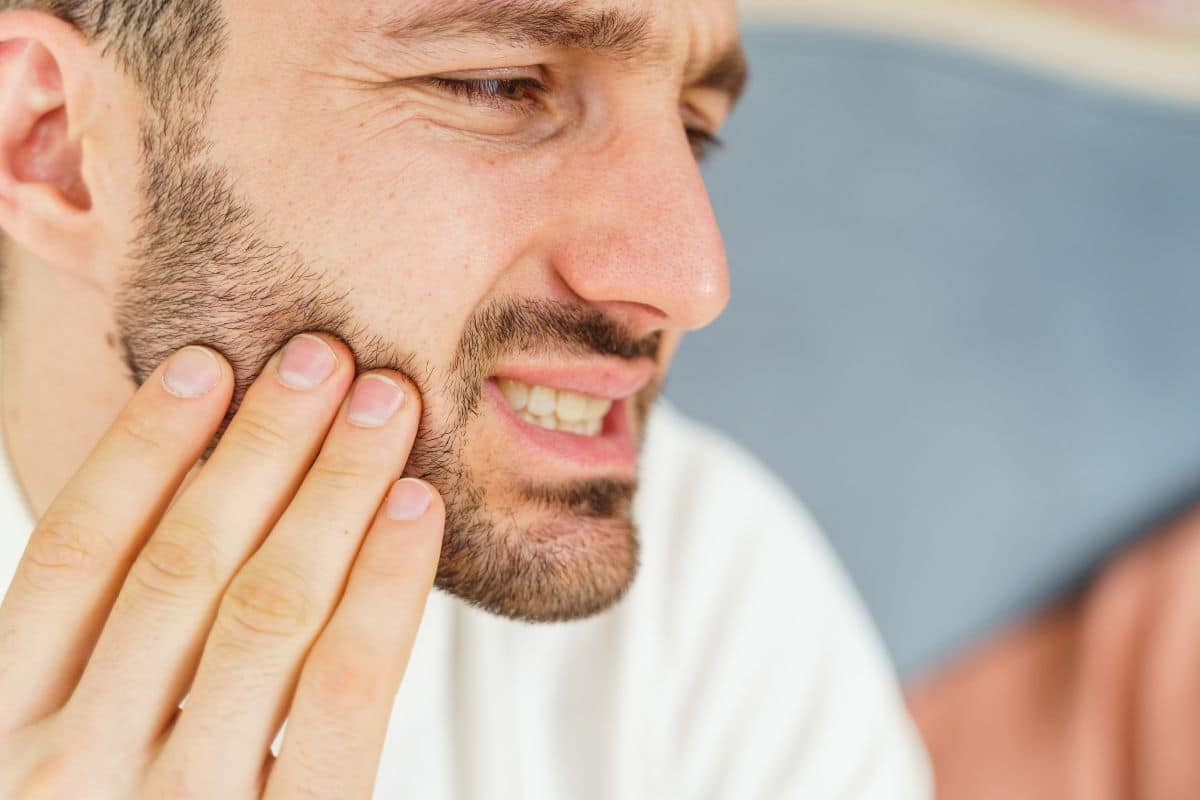
Have you ever taken a bite of your favorite food only to feel a sudden sharp pain in your tooth? It can catch you off guard and make even simple meals uncomfortable. Tooth pain when biting down is more common than you might think, and it often signals that something isn’t quite right.
In many cases, this type of discomfort doesn’t go away on its own. Visiting a professional dentist early can help identify the cause and prevent the problem from getting worse.
What Does Tooth Pain When Biting Down Feel Like?
Tooth pain can feel different from person to person. Some people notice a sharp, shooting pain when they bite, while others feel a dull ache or pressure. You might also experience:
- Sensitivity to hot or cold foods
- Pain that comes and goes
- Discomfort when chewing certain foods
These symptoms can point to a range of dental issues, which is why it’s important not to ignore them.
Common Causes of Tooth Pain When Biting
Tooth Decay or Cavities
Cavities can weaken your tooth structure. When you bite down, the pressure can irritate the damaged area, leading to pain.
Cracked or Damaged Tooth
Even a tiny crack in your tooth can cause discomfort. These cracks are not always visible but can worsen over time if left untreated.
Worn or Loose Fillings
If you have older dental work, it may not fit properly anymore. This can create uneven pressure when biting.
Gum Infection or Inflammation
Swollen or infected gums can make your teeth feel sensitive and painful, especially when chewing.
Teeth Grinding (Bruxism)
Grinding your teeth, especially at night, puts extra pressure on them. Over time, this can lead to pain when biting.
Abscessed Tooth
An infection deep inside the tooth can cause intense pain and may require immediate care.
When Should You Be Concerned?
While mild discomfort might not seem urgent, certain signs should not be ignored:
- Pain that lasts more than a few days
- Swelling around the gums or face
- Difficulty chewing or biting
- A bad taste in your mouth
If you notice any of these symptoms, it’s time to seek dental care.
How Is Tooth Pain Diagnosed?
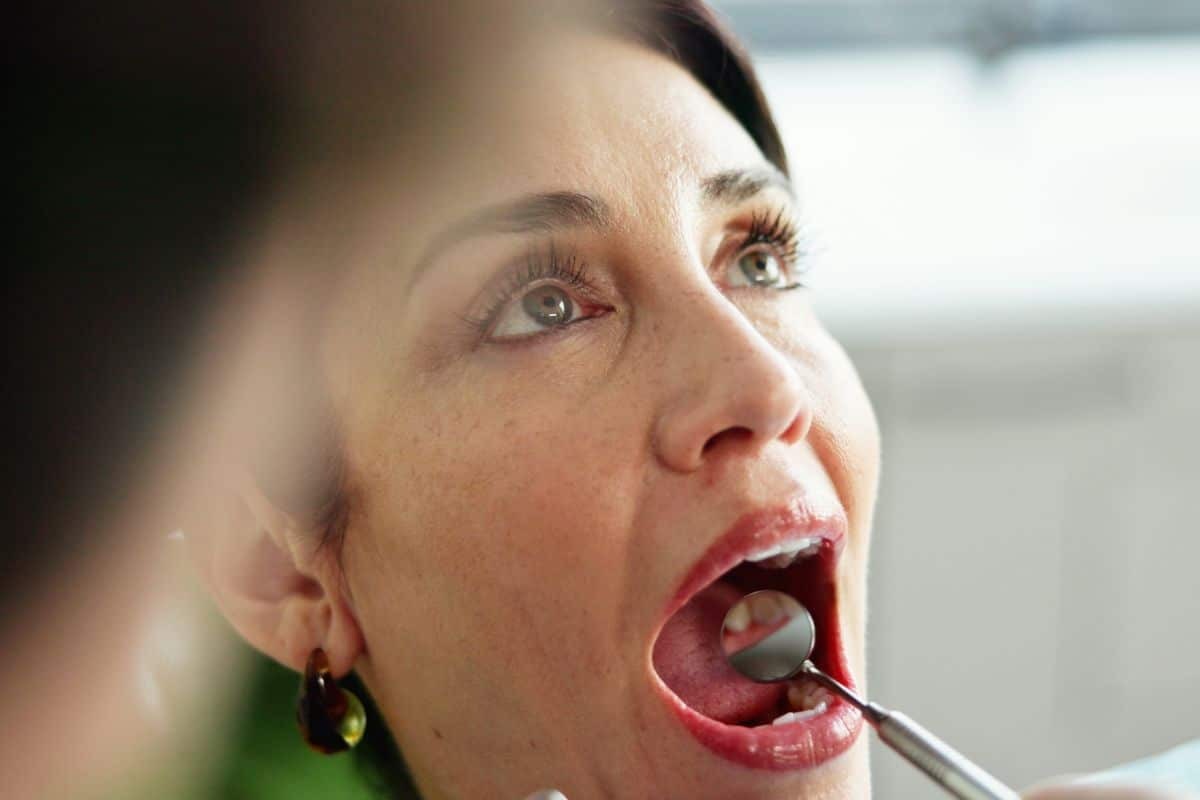
A dentist will examine your teeth and gums to find the source of the pain. This may include:
- A visual examination
- Checking how your teeth respond to pressure
- Dental X-rays to detect hidden problems
This step helps ensure you receive the right treatment for your specific issue.
Treatment Options for Tooth Pain
The right treatment depends on the cause of your discomfort. Common options include:
- Fillings or crowns to restore damaged teeth
- Root canal therapy to treat infection inside the tooth
- Gum treatments for inflammation or infection
- Nightguards to protect teeth from grinding
Addressing the problem early often leads to simpler and more comfortable treatment.
How to Prevent Tooth Pain When Biting?
Prevention plays a big role in keeping your smile healthy. Here are a few simple tips:
- Brush and floss daily
- Avoid chewing hard foods like ice
- Wear a mouthguard if you grind your teeth
- Schedule regular dental checkups
These habits can help reduce your risk of developing tooth pain in the future.
Don’t Ignore the Signs – Contact Us Today
If you’re noticing pain when biting down, it’s important to take action sooner rather than later. Getting the right care early can make a big difference in protecting your oral health. Contact us today to get the care you need.
Find Relief from Tooth Pain with Robstown Dentistry & Orthodontics
Tooth pain when biting down can be frustrating, but the good news is that it’s often treatable with the right care. Understanding the cause is the first step toward relief and better oral health.
At Robstown Dentistry & Orthodontics, we focus on helping patients stay comfortable and informed every step of the way. If you’re looking for a dentist who can help diagnose tooth pain when biting down and provide the right treatment for long-term relief, our team is here to help patients in Robstown, TX maintain healthy, pain-free smiles.
Frequently Asked Questions
Can tooth pain when biting go away on its own?
In some mild cases, it may improve temporarily, but the underlying issue often remains. It’s best to have it checked.
Why does my tooth hurt only when I eat certain foods?
This could be due to uneven pressure, a crack, or sensitivity in a specific area of the tooth.
Is it safe to chew on the other side of my mouth?
Temporarily, yes, but avoiding the problem side doesn’t fix the issue. A dental visit is still necessary.
Can stress cause tooth pain when biting?
Yes, stress can lead to teeth grinding, which puts pressure on your teeth and causes discomfort.
What should I avoid if my tooth hurts when biting?
Avoid hard, crunchy, or sticky foods that can increase pressure and worsen the pain.