201 E Ave J, Robstown, TX 78380


Can a Tooth Fall Out After a Root Canal? Guide From Our Robstown Dentist
July 7, 2026
Root Canal Treatment
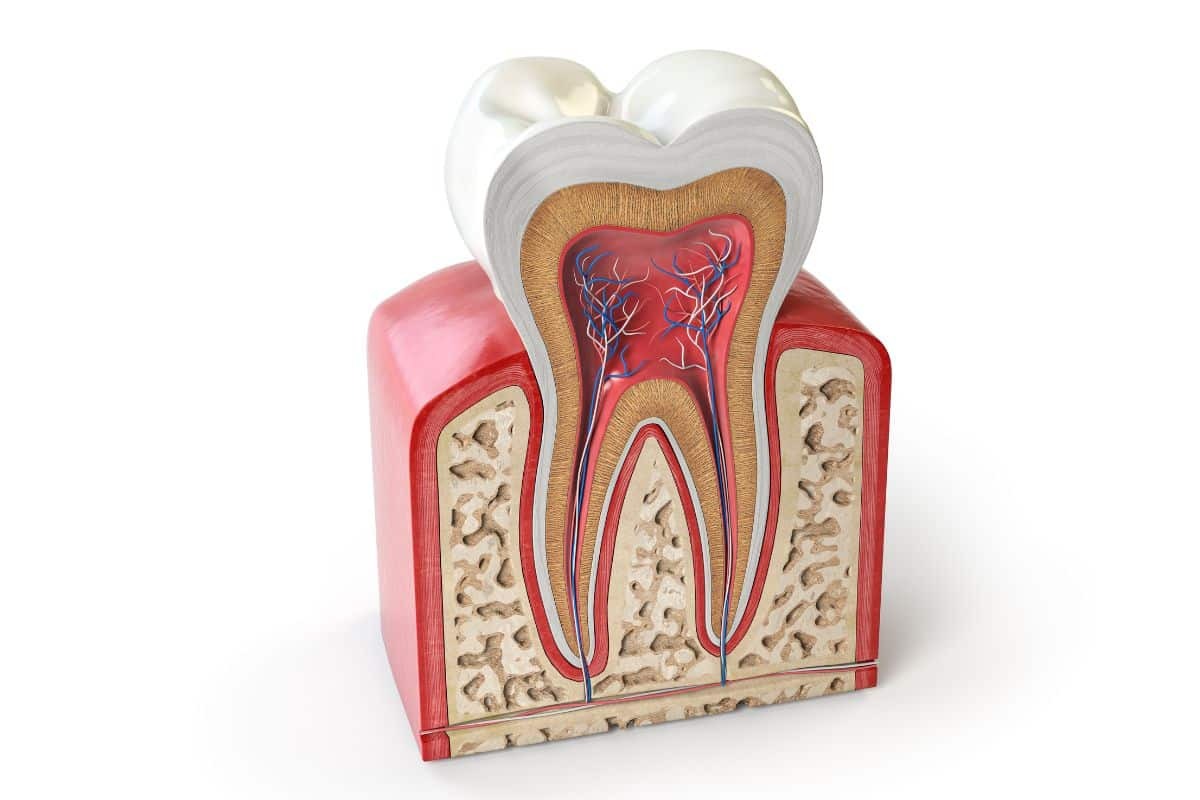
When a dentist recommends root canal treatment, it’s usually because a tooth has become infected or severely damaged. The goal is simple: remove the infection, relieve pain, and save the natural tooth. But many patients still wonder, Can a tooth fall out after a root canal? It’s a fair question, especially if you’ve already invested time and effort into saving your smile.
The short answer is yes, but it’s not common. In most cases, a tooth that has received a root canal can remain healthy and functional for many years. At Robstown Dentistry & Orthodontics, Dr. Purav Desai believes that understanding what happens after treatment helps patients make informed decisions and take better care of their oral health. While a root canal removes infection from inside the tooth, its long-term success depends on several factors, including how well the tooth is restored and maintained afterward.
If you’ve recently had a root canal or are considering one, understanding why a treated tooth might become loose or fail can help you protect your smile for years to come.
What Happens During a Root Canal?
A root canal is a procedure designed to save a tooth rather than remove it. Inside every tooth is a soft tissue called the pulp, which contains nerves and blood vessels. When bacteria reach this area because of deep decay, repeated dental work, or a crack in the tooth, the pulp can become infected.
During the procedure, your dentist:
- Removes the infected or damaged pulp
- Cleans and disinfects the root canals
- Fills the empty canals with a biocompatible material
- Seals the tooth to help prevent future infection
In many cases, the tooth is later restored with a dental crown to strengthen and protect it. Once healing is complete, the treated tooth can function much like your natural teeth.
Can a Tooth Really Fall Out After a Root Canal?
Yes, but it’s important to understand that the root canal itself usually isn’t the reason.
A successful root canal removes infection from inside the tooth, but it doesn’t make the tooth immune to future problems. The surrounding bone, gums, and remaining tooth structure all play an important role in keeping the tooth stable.
If any of these supporting structures become compromised, the tooth may become loose or eventually require extraction.
Fortunately, most root canal-treated teeth last for many years when they receive proper care and timely restoration.
Why Might a Tooth Fall Out After a Root Canal?
Several factors can affect the long-term health of a treated tooth. Understanding these causes can help you avoid future complications.
The Tooth Was Already Severely Damaged
Many teeth that need root canals have experienced extensive decay or trauma before treatment begins.
If too much healthy tooth structure has already been lost, the remaining portion of the tooth may not be strong enough to withstand everyday chewing forces. Even after the infection is removed, a weakened tooth is more likely to crack or break.
This is why dentists carefully evaluate whether a tooth can be predictably restored before recommending a root canal.
The Tooth Didn’t Receive a Permanent Crown
One of the most common reasons a root canal-treated tooth fails is the absence of a permanent restoration.
After a root canal, the tooth no longer contains living pulp tissue, making it more brittle than before. While the procedure removes infection, it doesn’t restore the tooth’s original strength.
For many back teeth, a custom dental crown provides essential protection by:
- Covering weakened tooth structure
- Distributing biting pressure evenly
- Reducing the risk of fractures
- Helping prevent bacteria from entering the treated tooth
Delaying or skipping a recommended crown can significantly increase the risk of damage over time.
A New Infection Develops
Although root canals have an excellent success rate, bacteria can sometimes find a way back into the tooth.
This may happen if:
- A filling or crown becomes loose
- The seal breaks down over time
- A hidden canal wasn’t fully cleaned
- The tooth develops a new crack
When bacteria re-enter the tooth, another infection can develop, affecting both the tooth and the surrounding bone.
Prompt treatment often prevents more serious complications.
Gum Disease Weakens the Supporting Structures
A root canal treats infection inside the tooth but it doesn’t treat gum disease.
Advanced periodontal disease gradually destroys the bone and tissues that support your teeth. As bone loss progresses, even a perfectly treated tooth may become loose.
Healthy gums are just as important as a healthy tooth when it comes to keeping your smile intact.
Regular dental cleanings and good oral hygiene help reduce this risk.
The Tooth Develops a Crack
Cracks are one of the leading reasons a root canal-treated tooth cannot be saved.
Sometimes a crack existed before treatment but wasn’t visible. Other times, the tooth may crack months or years later because of:
- Chewing hard foods
- Teeth grinding
- Accidental injury
- Lack of a protective crown
If a crack extends below the gumline or into the root, saving the tooth may no longer be possible.
Early evaluation gives your dentist the best chance of preserving the tooth whenever possible.
Does a Root Canal Make Teeth More Fragile?
Many patients assume that a root canal weakens a tooth.
In reality, it’s usually the damage that required the root canal not the procedure itself that affects the tooth’s strength.
By the time someone needs treatment, the tooth has often been weakened by:
- Deep cavities
- Large fillings
- Infection
- Previous fractures
The root canal treatment removes infected tissue while preserving as much of the natural tooth structure as possible. Restoring the tooth with the appropriate filling or crown helps protect it from future damage.
Warning Signs That a Root Canal Tooth Needs Attention
Even after successful treatment, it’s important to pay attention to changes in your tooth.
Contact your dentist if you notice:
- Pain that returns after healing
- Swelling around the gums
- A loose feeling when biting
- Pain while chewing
- A small bump or pimple on the gums
- An unpleasant taste or drainage near the treated tooth
- A cracked or broken crown
These symptoms don’t always mean you’ll lose the tooth, but they do indicate that the area should be evaluated as soon as possible.
Can a Failed Root Canal Be Fixed?
In many cases, yes.
A tooth doesn’t automatically need to be removed if problems develop after a root canal. Depending on the cause, your dentist may recommend one of several treatments.
Possible options include:
- Root canal retreatment to remove any remaining infection
- Replacing a damaged crown or filling to restore the protective seal
- Apicoectomy, a procedure that removes infection from the tip of the root
- Treating gum disease to improve support around the tooth
The earlier the problem is diagnosed, the more treatment options are typically available.
Have concerns about a treated tooth or need professional guidance?
Our team is happy to answer your questions and help you understand the best treatment option for your smile.
How to Help Your Root Canal Last for Years?
A root canal can successfully save a tooth, but the treatment is only part of the process. The choices you make after the procedure have a significant impact on how long that tooth remains healthy.
Here are a few simple habits that can help protect your treated tooth for years to come.
Don’t Delay Your Permanent Restoration
If your dentist recommends placing a dental crown after your root canal, schedule it as soon as possible.
A temporary filling is only meant to protect the tooth for a short period. Waiting too long increases the risk of cracks, fractures, and reinfection.
Practice Good Oral Hygiene
Even though the nerve inside the tooth has been removed, the surrounding gums and bone still need daily care.
Maintain a healthy smile by:
- Brushing twice a day with fluoride toothpaste
- Flossing once a day
- Cleaning around crowns just as carefully as natural teeth
- Using an antibacterial mouth rinse if recommended by your dentist
Good oral hygiene reduces plaque buildup and lowers the risk of gum disease, which helps support every tooth in your mouth.
Avoid Chewing Hard Objects
Using your teeth to bite on ice, hard candy, pens, or other non-food items can place unnecessary stress on a treated tooth.
If you’ve had a root canal, it’s best to avoid habits that increase the chance of fractures.
Wear a Nightguard if You Grind Your Teeth
Many people clench or grind their teeth while sleeping without realizing it.
Over time, this constant pressure can damage both natural teeth and restored teeth. If your dentist notices signs of grinding, a custom nightguard can help protect your smile while you sleep.
Keep Up With Regular Dental Checkups
Routine dental visits allow your dentist to monitor the health of your treated tooth and identify small problems before they become larger ones.
Regular exams can detect:
- Early cracks
- Worn crowns
- Small cavities around restorations
- Changes in the surrounding bone
- Signs of reinfection
Preventive care is often the simplest way to extend the life of a root canal-treated tooth.
When Does a Tooth Need to Be Extracted After a Root Canal?
Although most root canals are successful, there are situations where removing the tooth becomes the healthiest option.
Extraction may be recommended if:
- The tooth has a severe vertical root fracture.
- Too much of the tooth has broken away to support a restoration.
- Advanced gum disease has caused significant bone loss.
- Repeated infections cannot be resolved with retreatment.
- A serious injury has made the tooth impossible to restore.
If extraction is necessary, your dentist will discuss replacement options, such as a dental implant or dental bridge, to restore your smile and maintain proper chewing function.
Common Myths About Root Canal Treatment
Many misconceptions still surround root canals. Let’s clear up a few of the most common ones.
Myth: A Root Canal Guarantees the Tooth Will Never Have Problems Again
Fact: A root canal removes existing infection, but the tooth can still develop new issues if it isn’t properly restored or maintained.
Myth: A Tooth Without a Nerve Is Completely Dead
Fact: The tooth no longer has living pulp inside, but it remains anchored by healthy gums, bone, and supporting tissues.
Myth: Root Canal Treatment Makes Teeth Fall Out
Fact: The procedure itself doesn’t cause tooth loss. Most failures occur because of fractures, untreated gum disease, or delayed restoration—not because of the root canal.
Myth: It’s Better to Pull the Tooth Than Save It
Fact: Whenever possible, preserving your natural tooth is usually the preferred option. A successful root canal allows you to continue using your own tooth while maintaining your natural bite.
When Should You Schedule an Evaluation?
Don’t ignore changes in a tooth that has already received a root canal.
Schedule an appointment if you notice:
- Pain that doesn’t improve
- Swelling near the treated tooth
- A loose or shifting tooth
- A cracked or broken crown
- Bleeding gums around the tooth
- Difficulty chewing comfortably
Prompt evaluation can often prevent more extensive treatment later.
Protect Your Smile With The Right Care
A root canal is one of the most effective ways to save a damaged or infected tooth, and in most cases, that tooth can continue functioning for many years. While it’s possible for a treated tooth to become loose or eventually require extraction, the root canal itself is rarely the cause. Timely restorations, healthy gums, good oral hygiene, and regular dental visits all play an important role in keeping your smile healthy.
At our dental office our team are committed to helping patients make informed decisions about their oral health. If you’re experiencing discomfort after a root canal or have questions about protecting a treated tooth, our restorative dentist in Robstown is here to provide personalized care. Whether you need an evaluation or are considering root canal treatment, we’re proud to serve patients throughout Robstown, TX, with compassionate, patient-focused dentistry. Request an appointment to learn more about protecting your smile for years to come.


