201 E Ave J, Robstown, TX 78380


The Role of Anesthesia in Root Canal Treatment
January 6, 2025
Root Canal Treatment

Root canal treatment is a vital dental procedure designed to save teeth that have been damaged or infected. While the thought of undergoing this may seem intimidating, modern advancements, particularly in the use of anesthesia, have made the process virtually painless. Understanding the role of anesthesia in root canal treatment can ease anxiety and highlight its importance in ensuring a comfortable and effective procedure.
What Is Root Canal Treatment?
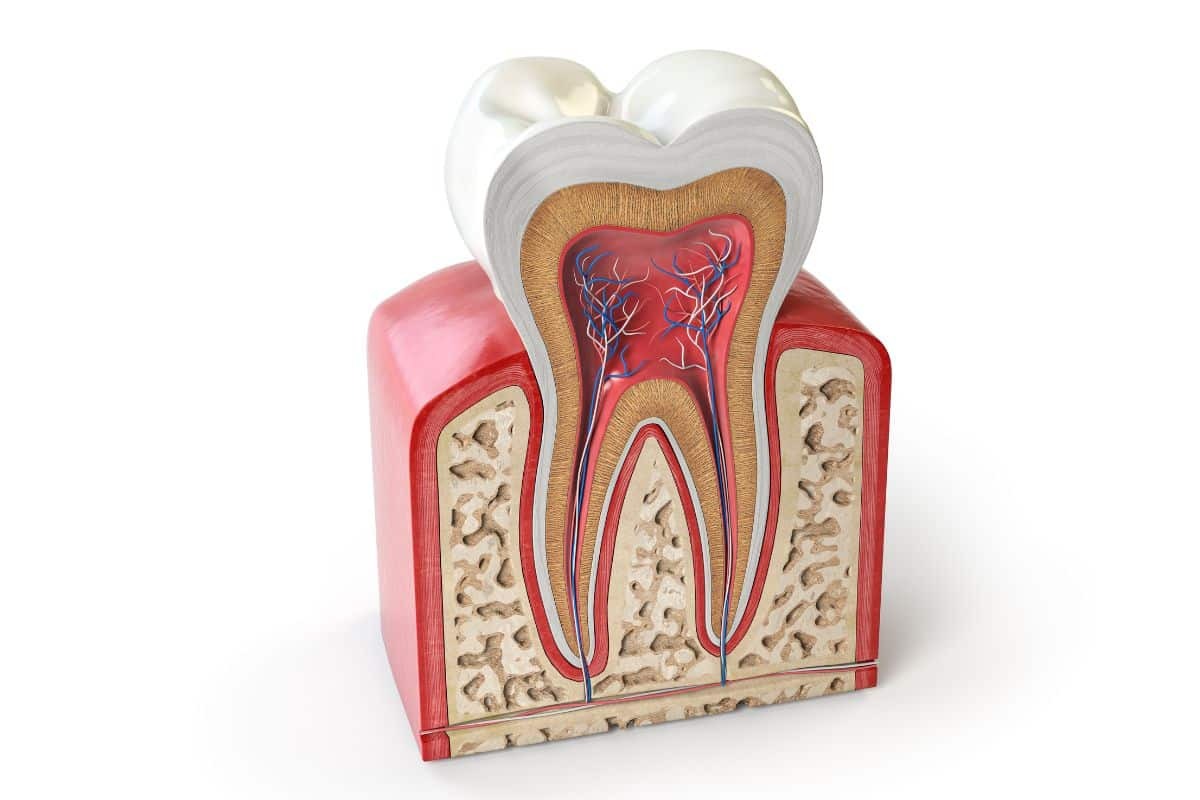
Root canal treatment involves removing infected or damaged tissue from inside a tooth. This tissue, known as the pulp, contains nerves and blood vessels. When it becomes infected due to deep decay, cracks, or trauma, it can cause severe pain and even lead to abscess formation. During the procedure, the dentist carefully removes the affected tissue, cleans the canals, fills them with a biocompatible material, and seals the tooth to prevent reinfection.
Although the idea of a root canal may cause some apprehension, the use of anesthesia ensures a pain-free experience, allowing patients to undergo the procedure with minimal discomfort.
Types of Anesthesia Used in Root Canal Treatment
Anesthesia plays a pivotal role in root canal treatments, offering several options to meet individual patient needs. Local anesthesia is the most commonly used method, effectively numbing the area around the affected tooth. This ensures patients feel no pain during the procedure. For those who experience significant anxiety, additional sedation options like nitrous oxide or oral sedatives may be available to help them feel at ease.
The choice of anesthesia depends on factors such as the complexity of the case, the patient’s medical history, and their level of comfort. Your dentist will determine the best anesthetic plan to provide the most stress-free experience possible.
The Role of Anesthesia in Ensuring Comfort and Success
Anesthesia is central to the success of root canal treatments. By eliminating pain, it allows patients to relax, enabling the dentist to perform the procedure with precision. Without the discomfort associated with untreated tooth infections or invasive dental work, patients are more likely to seek timely care, preventing complications.
For residents seeking root canal treatment Robstown clinics are known for prioritizing patient comfort with the latest anesthetic techniques. This ensures that your experience is not only painless but also effective in restoring your oral health.
Anesthesia also facilitates better outcomes by giving the dentist the ability to focus on thorough cleaning and shaping of the root canals. The numbing effect minimizes involuntary movements, allowing for greater accuracy and reducing the risk of complications.
Addressing Concerns About Dental Anesthesia
Some individuals may have reservations about receiving anesthesia, including concerns about potential allergies or side effects. Modern dental anesthetics are designed to be safe and effective, with minimal risks for most patients. To ensure the safest experience, dentists review your medical history and tailor the anesthesia plan to your specific needs.
The most common side effect of local anesthesia is temporary numbness, which usually wears off within a few hours. Your dentist will provide detailed aftercare instructions to make the recovery process smooth and comfortable.
Preparing for Your Root Canal Treatment
If you’re preparing for a root canal treatment, understanding the role of anesthesia can help you approach the procedure with confidence. Knowing that you’ll remain pain-free throughout can significantly reduce anxiety. For patients who require additional comfort, discussing sedation options with your dentist can provide further peace of mind.
When you visit our office, you’ll receive personalized care designed to make your root canal treatment as comfortable and stress-free as possible. Our team is dedicated to ensuring that you feel at ease every step of the way.
Why Timely Treatment Matters
Delaying treatment for an infected tooth can lead to complications such as severe pain, abscess formation, or even tooth loss. Anesthesia removes the barrier of pain, allowing you to address the problem before it worsens. A timely root canal treatment can save your natural tooth and restore your oral health.
Conclusion
Anesthesia plays an indispensable role in modern root canal treatments, ensuring that the procedure is both comfortable and effective. By numbing the treatment area and eliminating pain, it allows dentists to perform intricate work while putting patients at ease.
For those in Robstown, root canal treatment is made accessible and comfortable with advanced anesthetic techniques. Don’t let fear or uncertainty delay your care—take the first step toward better oral health by consulting with a trusted dental professional in your area. With the right care and expertise, your root canal experience can be a positive and painless journey toward a healthier smile.